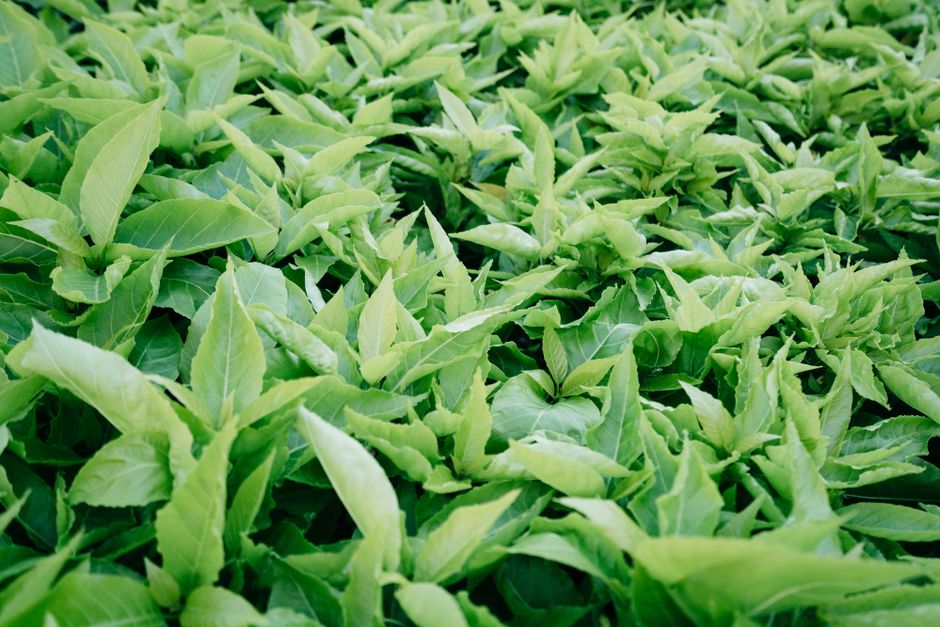
Container gardening is a revolutionary way to bring the beauty and bounty of a garden to any space, no matter how limited. In bustling Nigerian cities where space can often be a luxury, cultivating a container garden can transform balconies, terraces, and small yards into lush, green havens. Whether you're a seasoned gardener or a complete beginner, this guide will walk you through the essentials of container gardening in Nigeria, from choosing the right containers to understanding the climatic nuances.
Many urban Nigerians are turning to container gardening not only to beautify their homes but also to grow their own food. With the right techniques, you can have a thriving garden that provides fresh fruits, vegetables, and herbs right at your doorstep. Imagine plucking a fresh tomato from a plant you've nurtured or enjoying the fragrance of lavender on a sunny afternoon. The possibilities are endless, and the rewards are abundant.
Let's delve into the art and science of container gardening, ensuring that your venture into this horticultural practice is both successful and enjoyable.
Choosing the Right Container
The first step in container gardening is selecting the appropriate containers for your plants. The type of container you choose can significantly affect the health and growth of your plants.
Material Matters
Containers come in various materials such as clay, plastic, metal, and wood. Each material has its pros and cons. For instance, clay pots are porous, allowing for better air circulation, but they can dry out quickly in the hot Nigerian sun.
- Clay Pots: Good for aeration but need frequent watering.
- Plastic Containers: Lightweight and retain moisture better.
- Metal Pots: Durable but can heat up quickly, affecting plant roots.
- Wooden Boxes: Aesthetic and good insulators but require treatment to prevent rot.
Size and Drainage
Ensure your containers have adequate drainage holes to prevent waterlogging, which can lead to root rot. The size of the container should also align with the plant's growth; too small, and the roots will be cramped, too large, and water may not reach the bottom roots effectively.
"Choose a container size based on the plant’s mature size and water needs. Adequate drainage is crucial."
Selecting the Right Plants
Choosing plants that thrive in the Nigerian climate is key to successful container gardening. Consider both the climate zone and the specific conditions of your space when selecting plants.
Climate Considerations
Nigeria's climate varies from tropical in the south to arid in the north. Select plants that will thrive in your specific region.
- Southern Nigeria: Consider tropical plants like hibiscus and bougainvillea.
- Northern Nigeria: Opt for drought-resistant plants such as succulents and cacti.
Edible Options
For those interested in growing food, container gardening offers a variety of options. Consider vegetables like spinach, tomatoes, and peppers, which are easy to grow and thrive in containers.
"Herbs such as basil, mint, and parsley are excellent choices for container gardening, providing fresh flavors for your dishes."
Soil and Fertilization
The soil you choose for your container plants will significantly impact their growth. Container soil needs to be light and well-draining.
Choosing the Right Soil
A good potting mix is essential for container gardening. Avoid using garden soil as it's often too dense and can compact in a pot. Instead, look for a mix specifically designed for containers, which often includes components like peat moss and perlite for improved drainage and aeration.
Fertilization Strategies
Because nutrients in containers can deplete faster than in-ground gardens, regular fertilization is important. Use a balanced, slow-release fertilizer or supplement with liquid fertilizers during the growing season.
- Apply fertilizer every two weeks during the active growing season.
- Consider organic fertilizers for a sustainable approach.
Watering Techniques
Watering is a critical aspect of container gardening. Containers can dry out more quickly than garden beds, especially in Nigeria's warm climate.
Watering Frequency
Check your plants daily for moisture needs by sticking your finger into the soil. If the top inch feels dry, it's time to water. Be mindful of the weather, as sunny, windy days may require more frequent watering.
Methods of Watering
Use a watering can with a fine rose or a hose with a spray attachment to avoid washing away soil. Ensure water reaches all parts of the container so the entire root system is nourished.
"Early morning watering reduces evaporation and allows plants to absorb moisture before the heat of the day."
Pest and Disease Management
Container gardens can be susceptible to pests and diseases, but with vigilant care, you can keep them at bay.
Common Pests
Aphids, spider mites, and whiteflies are common pests that can affect container gardens. Regularly inspect your plants and address issues promptly.
Disease Prevention
Ensure good air circulation around your plants and remove any dead leaves or debris to prevent diseases like powdery mildew or root rot.
- Use insecticidal soap or neem oil for organic pest control.
- Rotate plants to prevent the buildup of soil-borne diseases.
Final Thoughts
Container gardening in Nigeria offers a unique opportunity to create a green oasis in the heart of urban life. With the right containers, plants, soil, and care, you can enjoy a flourishing garden that adds beauty and utility to your home. Embrace the joy of nurturing plants, and you'll find that container gardening is not just about growing plants, but also growing your passion for nature.