Container gardening is more than just a trend; it's a sustainable way to cultivate plants in limited spaces. Whether you live in a bustling city like Lagos or have a spacious yard in Abuja, container gardening provides endless opportunities for creativity and productivity. In Nigeria, where the climate varies greatly from north to south, understanding how to adapt container gardening to local conditions is key to success. Whether you're a seasoned gardener or a curious beginner, this guide will walk you through the essentials of container gardening, helping you make the most of your outdoor space.
One of the beauties of container gardening is its versatility. You can grow anything from flowers to vegetables, all within the confines of a pot or other container. This method is particularly advantageous in urban areas where space is limited. Moreover, containers can be moved as needed, allowing you to optimize sunlight exposure according to your plant's needs. In Nigeria, with its rich history of agriculture and diverse flora, container gardening aligns perfectly with both traditional and modern approaches to farming.
Choosing the Right Containers
The first step in container gardening is selecting the right containers. With numerous options available, from clay pots to plastic drums, making the right choice can impact plant health and growth.
Material Matters
Clay pots are traditional and offer excellent breathability for plant roots, which is beneficial in Nigeria's humid regions. However, they can be heavy and prone to breakage. Plastic containers, on the other hand, are lightweight, affordable, and come in various sizes. They retain moisture well, making them ideal for drier parts of Nigeria.
"For a sustainable option, consider recycled containers or locally made pottery. This not only supports local artisans but also reduces environmental impact."
Size and Drainage
Consider the size of the container based on the type of plant. Larger plants require bigger containers to accommodate root growth. Drainage is crucial; ensure your containers have adequate drainage holes to prevent waterlogging, which can lead to root rot.
Selecting Plants for Container Gardens
Nigerian gardeners have a wealth of plant options to choose from, thanks to the country's diverse climate zones. Selecting the right plants for your container garden is essential for success.
Vegetable Choices
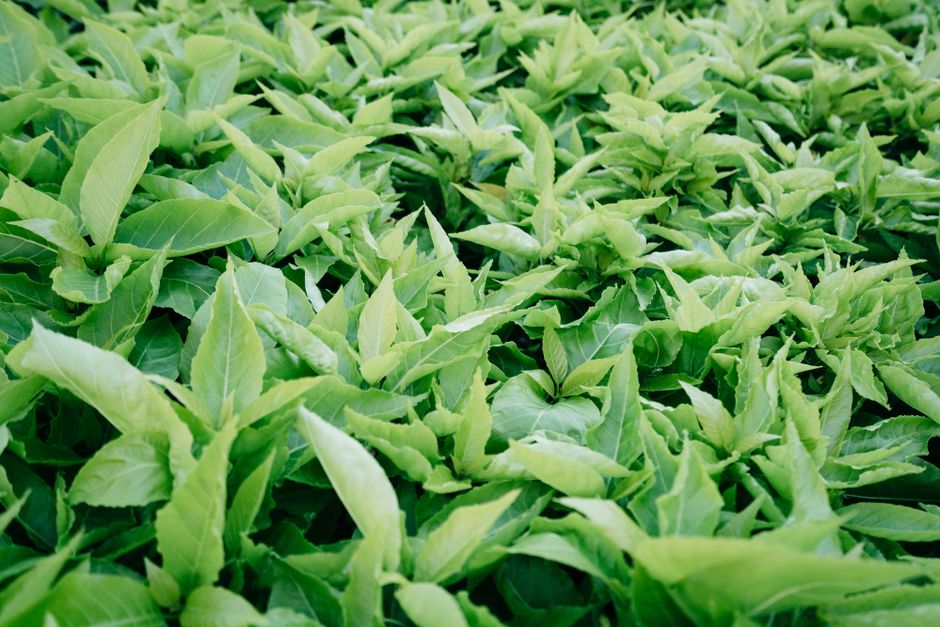
Tomatoes, peppers, and leafy greens like spinach and ugu thrive in containers and are staples in Nigerian cuisine. These plants require full sun, so place them in an area that receives at least 6-8 hours of sunlight daily.
Flowering Plants
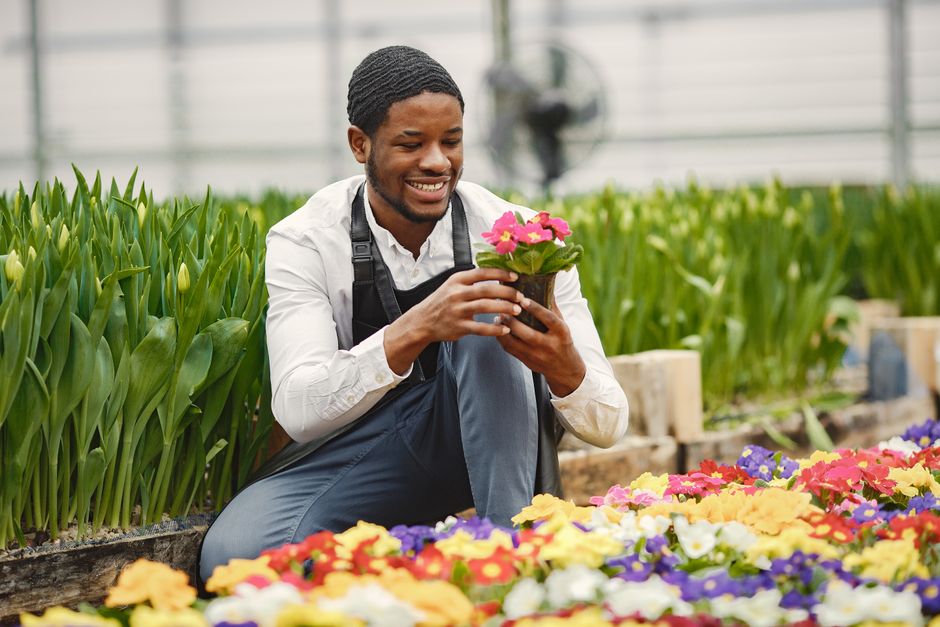
For ornamental purposes, consider plants like hibiscus or bougainvillea, which are well-suited to Nigeria's climate. These vibrant flowers add a splash of color and are relatively easy to manage in containers.
- Tomatoes
- Peppers
- Spinach
- Ugu
- Hibiscus
- Bougainvillea
Soil and Fertilization
The right soil mix is fundamental to a thriving container garden. Since containers limit the amount of soil and nutrients available to plants, choosing a rich, well-draining mix is crucial.
Creating the Perfect Soil Mix
Combine garden soil with organic compost and a bit of sand for improved drainage. This mix provides necessary nutrients while ensuring water retention and root aeration.
"Use locally available organic compost to enrich your soil. It not only boosts plant health but also enhances soil fertility over time."
Understanding Fertilization
Container plants may require more frequent fertilization than those in the ground due to limited soil volume. Opt for a balanced liquid fertilizer every few weeks to maintain plant growth and health.
Watering Strategies
Watering is a critical aspect of container gardening, particularly in Nigeria's varied climate. Overwatering and underwatering can both be detrimental, so finding the right balance is key.
Frequency and Methods
Water requirements depend on the plant type and environmental conditions. In hotter regions, you may need to water daily, whereas, in cooler areas, every other day may suffice. Always water until you see excess water draining from the base.
Mulching for Moisture Retention
Apply a layer of mulch on top of the soil to retain moisture and reduce evaporation. Mulching materials such as straw, grass clippings, or wood chips can be sourced locally and are cost-effective.
"Consistent watering is crucial, but so is allowing the soil to dry out slightly between waterings to prevent root rot."
Pest Management in Container Gardens
Pests are a common challenge in gardening, and container gardens are no exception. However, with vigilant care and natural remedies, you can keep these unwanted visitors at bay.
Common Pests
Aphids, snails, and caterpillars are some of the more common pests found in Nigerian gardens. Regular inspection of your plants can help catch these pests early.
Natural Pest Control
Embrace natural methods such as neem oil sprays or introducing beneficial insects like ladybugs to control pest populations. These methods are environmentally friendly and safe for your plants.
- Neem oil sprays
- Ladybugs
- Regular plant inspection
Final Thoughts
Container gardening in Nigeria offers a unique blend of tradition and modernity, allowing gardeners to explore a myriad of plant choices while adapting to local climates and resources. By understanding the essentials of container selection, plant choice, soil preparation, watering, and pest management, you can create a flourishing garden, even in the smallest of spaces. Whether you're growing tomatoes for your next jollof rice dish or cultivating colorful flowers to brighten up your balcony, container gardening is a rewarding endeavor that enriches your living space and connects you to nature.
As you embark on your container gardening journey, remember that patience and experimentation are key. Every garden is unique, and your continuous learning will lead to fruitful harvests and beautiful blooms.