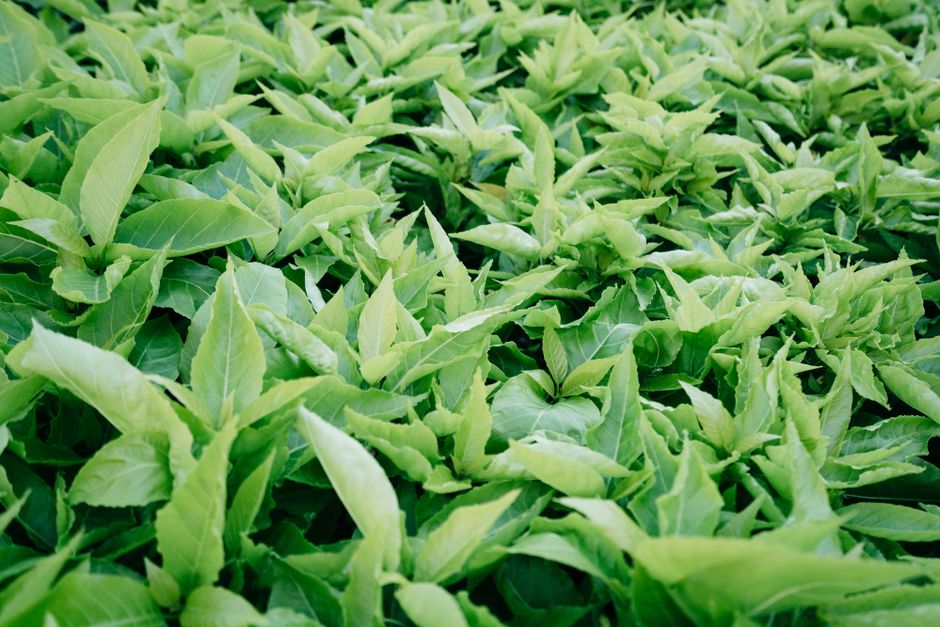
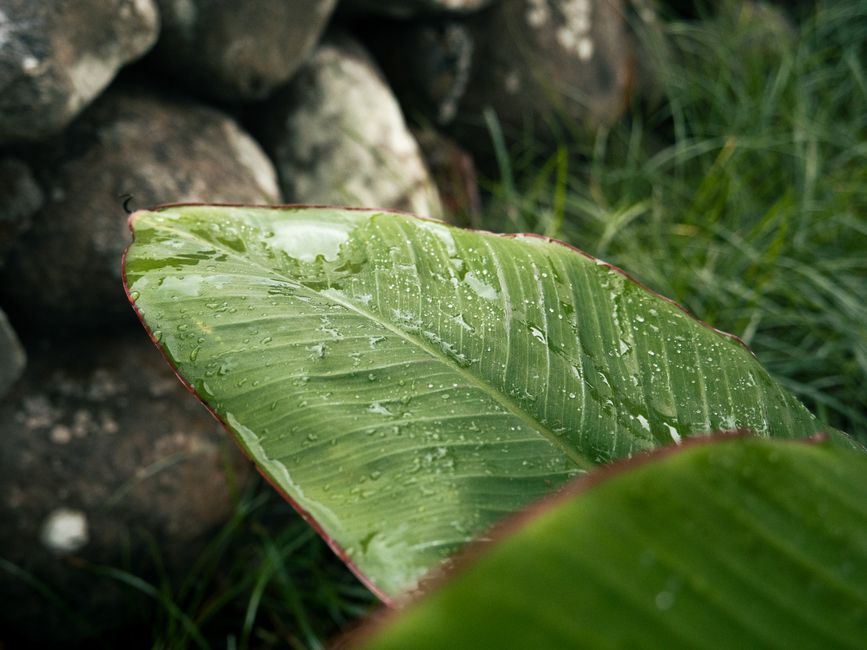
Container gardening is a fantastic way to bring greenery into even the smallest urban Nigerian homes, offering flexibility and convenience for city dwellers. Whether you're a beginner or an experienced gardener, learning how to master container gardening can transform your living space into a lush haven. In this guide, we’ll explore everything you need to know about container gardening in Nigeria, including choosing the right plants, pots, and soil to ensure your plants thrive.
The beauty of container gardening lies in its versatility. Whether you’re living in a compact Lagos apartment or a spacious Ibadan house, you can adapt your garden to fit your space. Not only does it provide an excellent opportunity to grow your own herbs and vegetables, but it's also a perfect way to add aesthetic appeal to your home. Let's dive into the essentials of setting up your container garden in Nigeria.
Choosing the Right Containers
Types of Containers
The choice of container is crucial to the success of your gardening venture. There are various types of containers available, including clay pots, plastic pots, wooden planters, and even recycled items such as old buckets or tubs. Each type has its advantages and disadvantages.
- Clay pots: These are porous and allow air and moisture to penetrate, promoting healthy roots. However, they can be heavy and break easily.
- Plastic pots: Lightweight and durable, they are perfect for beginners. They retain moisture longer, which is beneficial in Nigeria's hot climate.
- Wooden planters: Provide excellent insulation for plant roots. Ensure they are treated to resist rot.
- Recycled containers: A budget-friendly option that encourages sustainability. Ensure they have drainage holes.
Size and Drainage
When selecting containers, consider the size of the plants you wish to grow. Larger plants require bigger pots with ample space for root development. Drainage is another essential factor; always ensure your containers have adequate drainage holes to prevent waterlogging, which can lead to root rot.
Selecting Suitable Plants
Edible Options
Edible plants are popular choices for container gardens, providing fresh produce right at your doorstep. Some excellent options for Nigerian homes include:
- Tomatoes: Thrive in containers and require lots of sunlight.
- Peppers: Both sweet and hot varieties can be easily grown.
- Herbs: Basil, mint, and parsley are perfect for small pots.
Ornamental Plants
If you’re more interested in aesthetics, there are plenty of ornamental plants that do well in containers. Consider:
- Snake plant: Highly resilient and requires minimal care.
- Bougainvillea: Adds vibrant color to any space.
- African violets: Ideal for adding a touch of color indoors.
Soil and Fertilization
Choosing the Right Soil
Soil quality is paramount for container gardening success. A good potting mix should be light, well-draining, and rich in nutrients. It’s advisable to use a commercial potting mix or create your own by blending garden soil with sand and compost.
Tip: Avoid using garden soil alone as it may compact and hinder root growth.
Fertilization Tips
Regular fertilization is critical to supplying nutrients to your container plants. Opt for a balanced, water-soluble fertilizer and follow the recommended dosage to avoid over-fertilization, which can damage your plants.
Watering and Maintenance
Watering Guidelines
Container plants typically require more frequent watering than ground plants. Check the soil moisture regularly by inserting your finger about two inches deep. If it feels dry, it's time to water.
Remember: Over-watering is as harmful as under-watering. Ensure containers have good drainage.
Pruning and Pest Control
Regular pruning helps maintain plant shape and encourages healthy growth. Also, be vigilant about pests. Use neem oil or other organic solutions to keep them at bay without harming the environment.
Final Thoughts
Container gardening in Nigerian homes offers a delightful way to green your living space, providing both functional and aesthetic benefits. With the right containers, plants, soil, and care, you can cultivate a thriving garden space, regardless of your location or experience level. Start small, experiment with different plants, and soon, you’ll find immense satisfaction in watching your garden grow.
Remember, gardening is a journey of learning and discovery. Embrace the process, enjoy the rewards, and share your experiences with fellow gardening enthusiasts.