Container gardening is transforming urban spaces into lush, green oases without the need for expansive plots of land. For many Nigerians living in bustling cities like Lagos or Abuja, finding the right spot to nurture a garden can be challenging. However, with container gardening, you can cultivate a flourishing garden right on your balcony or terrace. Whether you're a seasoned gardener or a novice eager to start, this guide will provide you with practical tips to master container gardening in Nigeria's unique climate.
Imagine stepping out onto your balcony and being greeted by the vibrant colors of blooming flowers or the tantalizing aroma of fresh herbs. Container gardening makes this vision a reality, offering a flexible solution for urban dwellers. By the end of this article, you'll have a comprehensive understanding of what it takes to create and maintain a successful container garden, tailored to the Nigerian environment.
Let's dive in and explore the exciting world of container gardening, where creativity meets sustainability, and every city dweller can become a proud plant parent.
Choosing the Right Containers
Material Matters
When selecting containers, the material is a crucial factor that affects plant health. Common materials include plastic, clay, ceramic, and metal. Each has its pros and cons, especially concerning Nigeria's climate.
- Plastic: Lightweight and affordable, plastic containers retain moisture but may heat up quickly under the sun.
- Clay: Porous and aesthetically pleasing, clay pots allow air circulation but dry out faster, requiring frequent watering.
- Ceramic: Offers a decorative touch but can be heavy and costly.
- Metal: Sleek and modern, but can become extremely hot, potentially damaging plant roots.
Size and Drainage
The size of your container directly influences plant growth. Larger containers provide more room for roots, leading to healthier plants. Ensure each container has adequate drainage holes to prevent waterlogging, which is a common issue in Nigeria's rainy seasons.
Tip: Always choose containers with proper drainage holes to avoid root rot and ensure healthy plant growth.
Selecting the Best Plants
Adaptable Vegetables
Vegetables that thrive in Nigeria's warm climate are ideal for container gardening. Some easy-to-grow options include tomatoes, peppers, and leafy greens like spinach and lettuce.
- Tomatoes: Require full sun and regular watering. Bush varieties are perfect for containers.
- Peppers: Thrive in warm conditions and need consistent moisture.
- Spinach and Lettuce: Can be grown in partially shaded areas, providing fresh greens year-round.
Colorful Flowers
Brighten your space with flowers that flourish in containers. Consider options like marigolds, zinnias, and petunias, which are well-suited to Nigeria's climate and add vibrant colors to your garden.
Expert Tip: Mix flowers and vegetables in your container garden for a visually appealing and functional space.
Soil and Fertilization
Choosing the Right Soil
Proper soil mix is essential for container gardening success. Opt for a well-draining potting mix, which often contains peat moss, vermiculite, and perlite. Avoid using garden soil as it compacts easily, hindering root growth.
Fertilizing for Success
Container plants have limited access to nutrients, so regular fertilization is vital. Use a balanced, water-soluble fertilizer every few weeks to promote healthy growth. Be mindful of over-fertilization, which can harm your plants.
Watering Techniques
Understanding Plant Needs
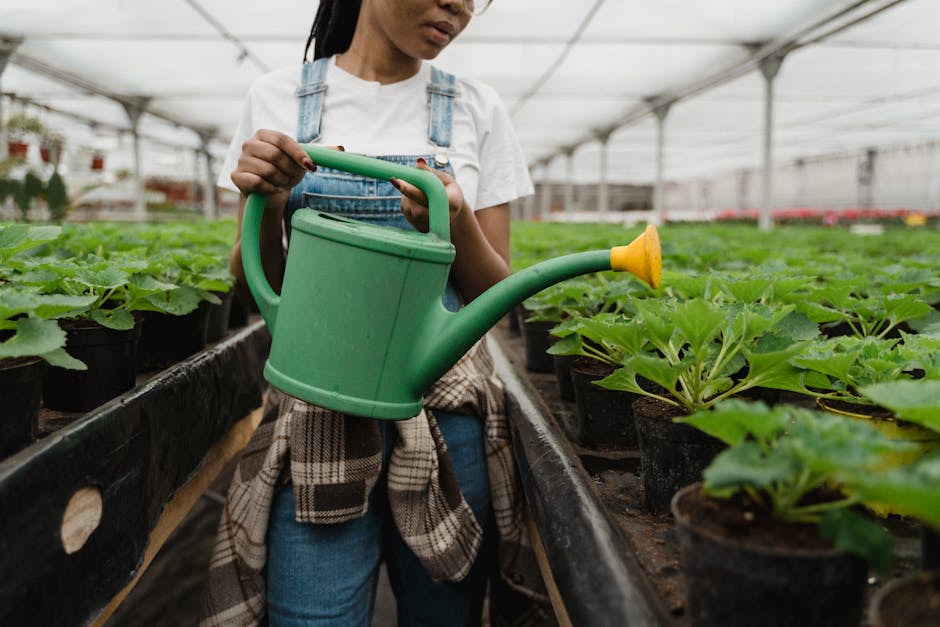
Watering is a critical aspect of container gardening. Due to Nigeria's hot climate, container plants may require more frequent watering than traditional gardens.
- Check Moisture Levels: Insert your finger into the soil up to the first knuckle. If it feels dry, it's time to water.
- Water Deeply: Ensure water reaches the root zone for effective hydration.
- Avoid Overwatering: Excess water can lead to root rot, so allow soil to dry slightly between watering sessions.
Dealing with Pests and Diseases
Common Pests
Container plants are susceptible to pests like aphids, spider mites, and whiteflies. Regularly inspect your plants and use organic pest control methods, such as neem oil or insecticidal soap.
Disease Prevention
Good sanitation practices, such as removing dead leaves and avoiding overcrowding, help prevent diseases. Ensure containers have good air circulation to minimize fungal issues.
Key Takeaway: Regular maintenance and vigilance are crucial in keeping your container garden thriving and pest-free.
Conclusion
Container gardening is not only a practical solution for urban dwellers in Nigeria but also a rewarding endeavor that brings nature closer to home. With the right containers, plant choices, and care techniques, anyone can create a thriving garden in even the smallest of spaces. Remember, the key to success is understanding your plants' needs and adapting to Nigeria's unique climate. Start your container garden today and transform your urban space into a verdant paradise!