In the bustling urban landscapes of Nigeria, where space is often a luxury, container gardening emerges as a practical and rewarding solution for plant lovers. Whether you're living in a cozy apartment in Lagos or a modest home in Abuja, container gardening allows you to bring nature's beauty to your doorstep, balcony, or rooftop. But how do you begin? What plants thrive best in the Nigerian climate, and how do you ensure your container garden remains healthy and flourishing? This comprehensive guide will walk you through the essentials of container gardening, providing you with all the tips and tricks you need to transform your limited space into a lush, green oasis.
With the right approach, anyone can cultivate a vibrant garden, even without a traditional backyard. Container gardening offers flexibility, allowing you to adapt to various urban settings while enjoying the benefits of gardening. The practice also serves as a delightful hobby, offering therapeutic advantages and a dash of greenery to your everyday life. As you embark on this gardening journey, you'll discover that container gardening is not only about plants but also a way to express creativity and nurture a connection with nature.
In this article, we'll explore the best plants suited for containers in Nigeria, provide detailed care instructions, and share design ideas to make your garden a personal sanctuary. Let's dive into the world of container gardening and unlock the potential of your urban space.
Choosing the Right Containers
Selecting the appropriate containers is the first step in ensuring your plants thrive. The right container provides adequate space for root development and appropriate drainage.
Consider the Material
Containers are available in various materials, each with distinct advantages:
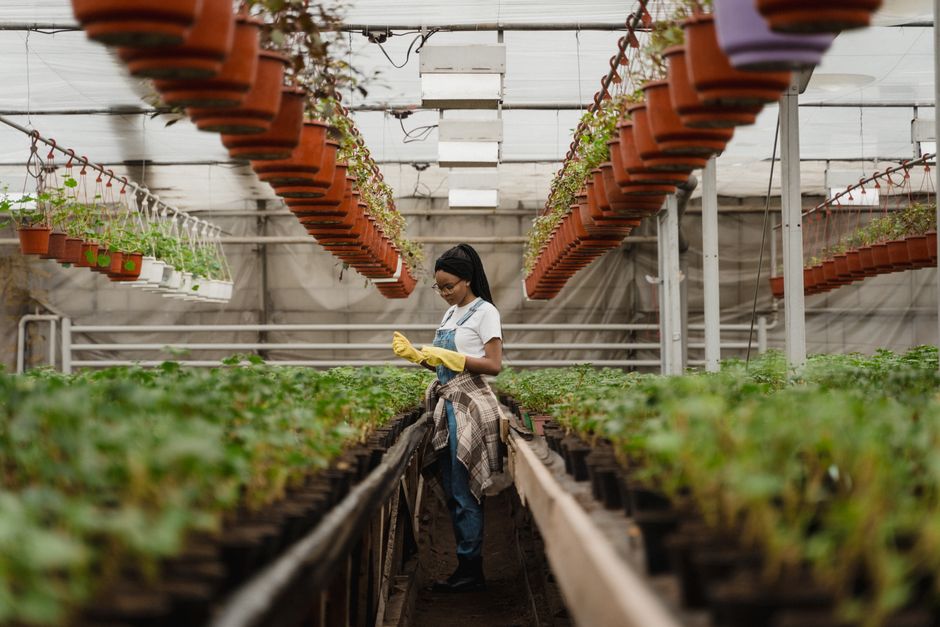
- Clay or Terracotta: These offer a natural look and provide good breathability for roots. However, they can dry out quickly in Nigeria's intense heat.
- Plastic: Lightweight and affordable, plastic containers retain moisture better, making them ideal for hotter climates.
- Wood: Provides excellent insulation for roots but requires treatment to prevent rot in humid conditions.
Size and Drainage
Ensure your containers have adequate drainage holes at the bottom to prevent waterlogging. The size of the container will depend on the type of plant you choose. Larger plants will require deeper containers to accommodate their root systems.
Selecting the Best Plants for Containers
Not all plants are suitable for container gardening. It's crucial to select varieties that flourish in confined spaces and adapt well to the Nigerian climate.
Herbs and Vegetables
Popular choices include:
- Basil: Thrives in sunny spots and is perfect for adding fresh flavor to meals.
- Tomatoes: Require larger containers and plenty of sunlight but are very rewarding to grow.
- Spinach and Lettuce: Grow quickly and are ideal for continuous harvesting.
Ornamental Plants
For those aiming to add aesthetic appeal, consider:
- Petunias: Bright and cheerful, ideal for hanging baskets and small pots.
- African Violets: Require consistent watering and indirect light, perfect for indoor settings.
- Crotons: Known for their vibrant foliage, they add a tropical feel to any space.
Soil and Fertilization for Container Gardens
Unlike traditional gardens, container gardens have specific soil requirements to ensure proper nutrition and drainage.
Choosing the Right Soil Mix
A well-draining potting mix is essential. Look for mixes that include ingredients such as peat moss, vermiculite, or perlite, which aid in retaining moisture while allowing excess water to drain away.
"The quality of your soil mix can significantly impact the health and productivity of your container garden."
Fertilization
Container plants rely heavily on added nutrients, as they cannot access the natural nutrients found in the ground. Use a balanced, slow-release fertilizer at planting time and supplement with a liquid fertilizer every few weeks during the growing season.
Watering Techniques and Maintenance
Proper watering is critical for the success of your container garden. Too much water can lead to root rot, while too little can cause wilting and nutrient deficiencies.
Understanding Water Needs
The frequency of watering will depend on several factors, including plant type, container size, and weather conditions. In hot, dry spells, daily watering may be necessary, while cooler weather can reduce the need to every few days.
Maintenance Practices
- Regularly check for pests and diseases, as container plants can be more susceptible due to limited space.
- Prune and deadhead plants to encourage new growth and prevent overcrowding.
- Rotate containers occasionally to ensure even exposure to sunlight.
Designing Your Container Garden
The design of your garden can significantly enhance your enjoyment and the visual appeal of your space.
Understanding Color and Texture
Combine plants with varying colors and textures for a dynamic look. Consider using a mix of trailing plants and upright species to add depth and interest.
"A well-designed container garden not only beautifies your space but also reflects your personal style."
Vertical Gardening
For limited spaces, vertical gardening offers an innovative solution. Use wall-mounted planters or stack containers to maximize the vertical potential of your space.
Conclusion
With these insights, you're well on your way to mastering container gardening in Nigeria. Embrace the flexibility and creativity this gardening style offers, and soon, you'll enjoy a thriving garden space, no matter where you live. Remember, successful gardening is about experimentation and patience. Don't be afraid to try new things and learn from each planting season. Happy gardening!