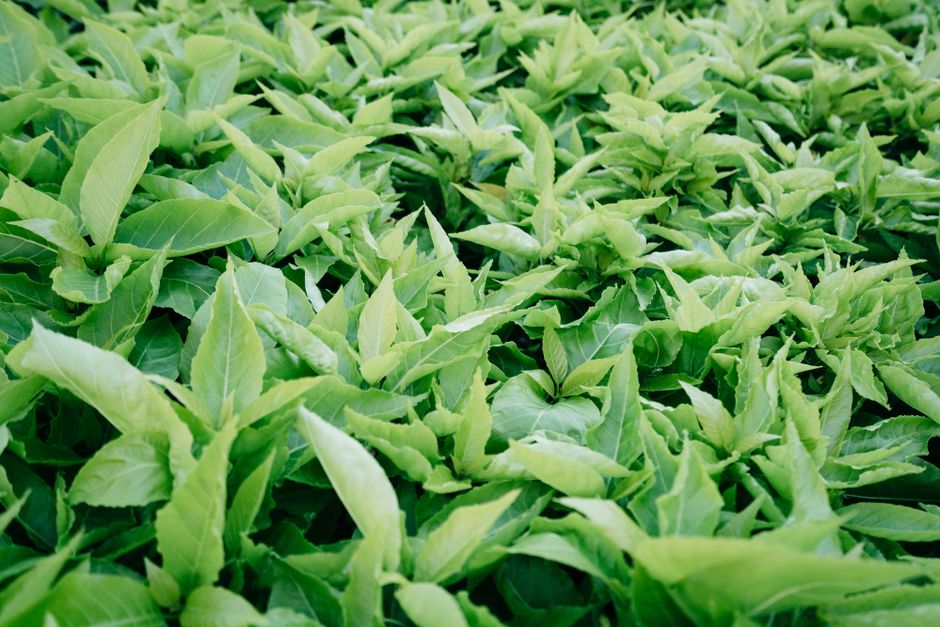
Container gardening is a fantastic way to bring life to your living space, whether you have a sprawling backyard or a cozy apartment balcony. In Nigeria, with its diverse climate and varying soil conditions, container gardening offers a versatile and accessible solution for aspiring gardeners of all skill levels. Whether you're looking to grow fresh herbs for your kitchen or create a lush decorative display, container gardening can be tailored to your specific needs and environment.
In this guide, we'll explore the intricacies of container gardening in Nigeria, providing you with the knowledge and tools to cultivate vibrant and productive plants. From selecting the right containers to understanding Nigeria's unique climatic challenges, you'll gain insights that make gardening not only possible but highly rewarding.
As you embark on this journey, remember that container gardening is not just about growing plants; it's about nurturing a space that brings joy and a sense of accomplishment. Let's dig into the essentials and create a flourishing container garden that will be the envy of your neighborhood!
Choosing the Right Containers
When it comes to container gardening, the choice of container is crucial. The right container can significantly impact the health and growth of your plants.
Materials and Sizes
Containers come in various materials such as plastic, terracotta, ceramic, and metal. Each has its pros and cons:
- Plastic: Lightweight and affordable, but may not be as durable in hot climates.
- Terracotta: Porous, allowing for good airflow and moisture regulation, but can be heavy and fragile.
- Ceramic: Attractive and sturdy, but can be expensive and heavy.
- Metal: Durable and sleek, but may overheat plants if exposed to direct sunlight for extended periods.
Choose a size that suits the plant you're growing. Larger plants require deeper and wider containers, while herbs and smaller flowers can thrive in more compact spaces.
Drainage Considerations
Proper drainage is essential to prevent waterlogging, which can lead to root rot. Ensure your containers have drainage holes at the bottom.
Tip: Place a layer of gravel or broken pottery at the bottom of your container to enhance drainage.
Selecting the Right Plants
Not all plants are suitable for container gardening, especially in the varying Nigerian climate.
Best Plants for Nigerian Conditions
- Herbs: Basil, mint, and rosemary thrive in containers.
- Vegetables: Tomatoes, peppers, and spinach are well-suited for container growth.
- Flowers: Marigolds and petunias add color and are resilient in various climates.
Consider the plant's sunlight requirements and choose based on the available light conditions where your containers will be placed.
Soil and Fertilization
The quality of soil used in your containers can make or break your gardening success.
Choosing the Right Soil
Use a good-quality potting mix that retains moisture yet drains well. Avoid garden soil, which can compact in containers and hinder root growth.
Feeding Your Plants
Fertilize your plants regularly with a balanced liquid fertilizer or slow-release pellets. Adjust the feeding schedule based on the type of plants and their growth stages.
Expert Insight: Liquid seaweed fertilizer is an excellent organic option that promotes strong root development and enhances plant resilience.
Watering Techniques
Watering is a critical aspect of container gardening, particularly in Nigeria's warm climate.
How Often to Water
Water requirements depend on the plant type, container size, and weather conditions. Most container plants need watering when the top inch of soil feels dry to the touch.
Efficient Watering Practices
- Water in the early morning or late afternoon to minimize evaporation.
- Use a saucer to catch excess water and prevent root rot.
- Consider drip irrigation systems for consistent moisture delivery.
Managing Pests and Diseases
Pests and diseases can affect container plants just as they do garden beds. Here's how to manage common issues:
Common Pests
Watch out for pests like aphids, mealybugs, and spider mites. Prompt action is crucial to prevent infestations.
Natural Pest Control
- Introduce beneficial insects such as ladybugs to control aphid populations.
- Use neem oil or insecticidal soap as natural pesticides.
Regularly inspect your plants for signs of disease, such as discolored leaves or stunted growth, and take appropriate action.
Conclusion
Container gardening in Nigeria offers a flexible and rewarding way to grow plants, regardless of your space or experience level. By choosing the right containers, selecting suitable plants, and following best practices for soil, watering, and pest management, you'll be well on your way to cultivating a thriving container garden. Remember, the key to successful gardening is patience, observation, and a willingness to learn from each season. Happy gardening!