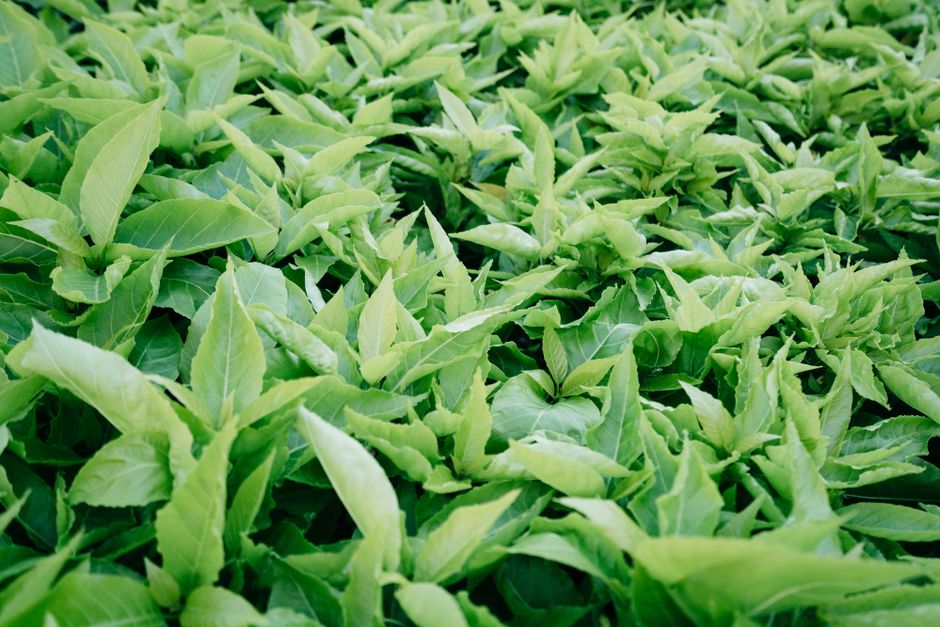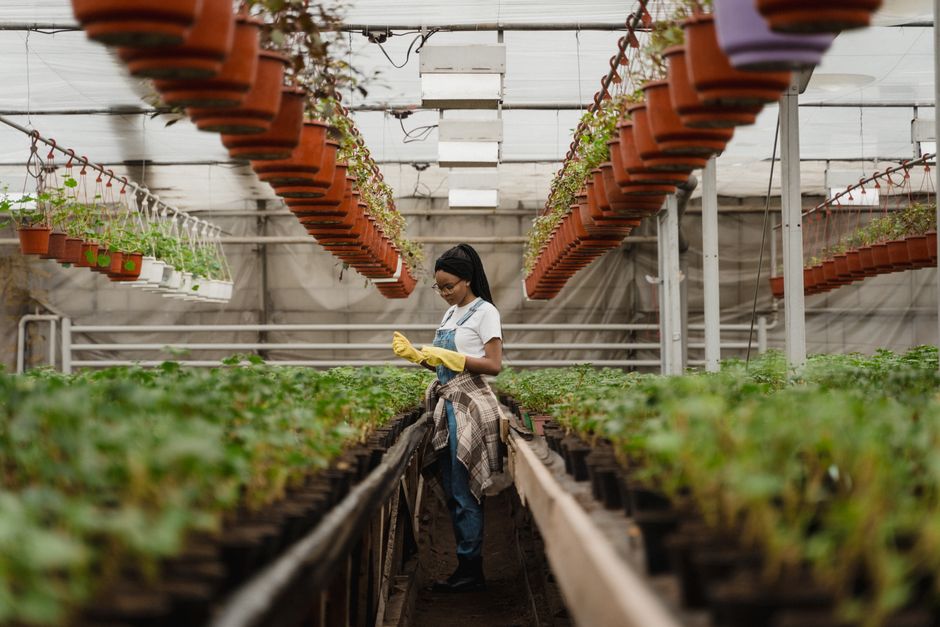
Container gardening has taken root as a versatile and rewarding hobby for many Nigerians. Whether you're in a sprawling urban jungle or a cozy rural community, container gardening offers a flexible solution to grow your favorite plants without needing expansive land. Imagine waking up to a balcony teeming with vibrant flowers or a small patio bursting with fresh vegetables. The joy of cultivating your own plants is immeasurable, and with the right guidance, anyone can become a successful container gardener.
With urbanization on the rise and space becoming a premium, container gardening presents an ideal way to introduce greenery into your life. Not only does it allow for the cultivation of flowers and vegetables, but it also empowers anyone with a passion for gardening to do so without the constraints of large plots of land. In this guide, we'll explore everything you need to know about container gardening in Nigeria, from choosing the right containers to selecting the best plants for our climate.
Choosing the Right Containers
Types of Containers
When it comes to container gardening, the type of container you choose can have a significant impact on the health of your plants. Common options include plastic pots, ceramic containers, and metal buckets. Each type has its benefits and drawbacks.
- Plastic Pots: Lightweight and affordable, but may retain heat and affect root health.
- Ceramic Containers: Attractive and durable but can be heavy and costly.
- Metal Buckets: Unique and sturdy, but care must be taken to prevent rust.
Size and Drainage Considerations
Size matters in container gardening. Larger containers can accommodate more soil, which retains moisture longer, reducing the frequency of watering. Adequate drainage is also crucial to prevent root rot. Always ensure your containers have drainage holes at the bottom.
Tip: Use pots that are at least 30 cm deep for vegetables like tomatoes and peppers.
Selecting the Best Plants for Nigerian Climate
Vegetables to Grow
The Nigerian climate, with its tropical characteristics, is ideal for a variety of vegetables. Some recommended options include:
- Tomatoes: Thrives in sunny conditions and can be grown in medium to large pots.
- Peppers: Both sweet and hot varieties do well in containers and love the heat.
- Lettuce: Perfect for cooler, shaded areas and can be harvested repeatedly.
Herbs and Flowers
Herbs like basil, mint, and parsley are perfect for containers and can add flavor to your dishes. Bright, fragrant flowers such as marigolds and zinnias can add a splash of color to any space.
Soil and Fertilization Tips
Choosing the Right Soil
Not all soil is created equal. For container gardening, opt for a well-draining potting mix. Avoid using garden soil directly as it may compact over time, limiting root growth and water absorption.
Nutrient Management
Plants in containers require consistent fertilization since they're limited by the soil volume. Consider using organic fertilizers or liquid feeds that can provide balanced nutrients throughout the growing season.
Expert Advice: Fertilize every two weeks with a balanced fertilizer for optimal plant health.
Watering Strategies
Understanding Water Needs
Watering is one of the most critical aspects of container gardening. The frequency and amount depend on the plant type, weather conditions, and container size.
Effective Watering Techniques
Water deeply to encourage root growth, but ensure the soil is not waterlogged. Early morning watering is ideal to minimize evaporation and allow plants to absorb moisture efficiently.
Final Thoughts
Container gardening is a wonderful way to bring nature closer to urban living or to enhance any garden space. With the right containers, plants, and care techniques, anyone can enjoy the fruits of their labor, quite literally. Whether it's fresh vegetables for the kitchen or beautiful flowers to brighten your day, the possibilities are endless. Remember, the key is to start small, learn as you grow, and most importantly, have fun in the process.