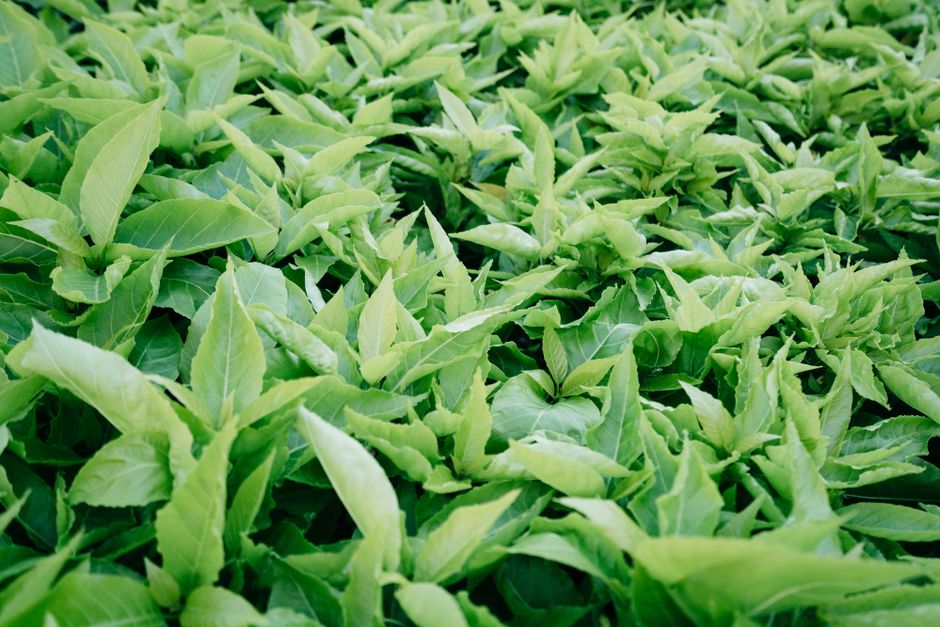
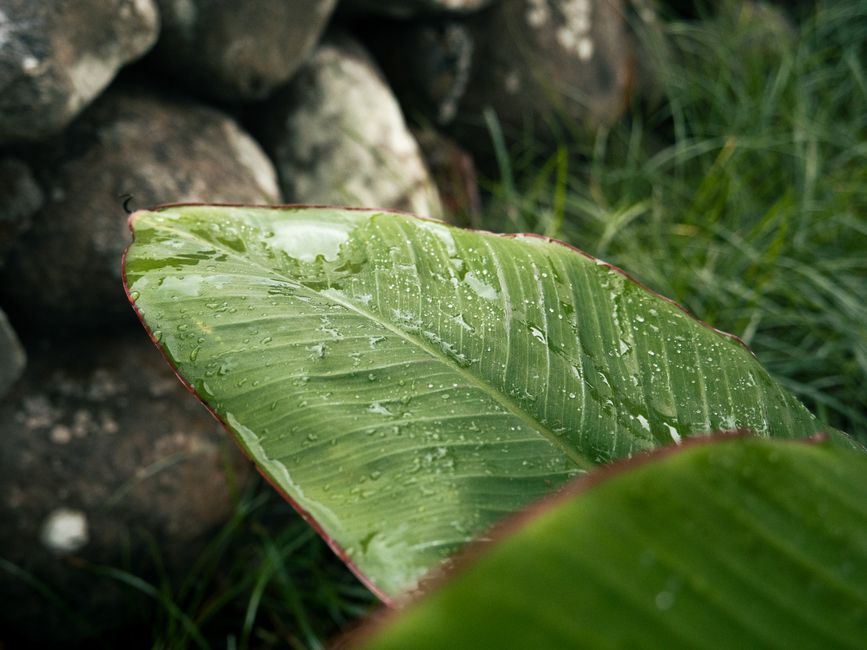
Imagine stepping into your backyard and being surrounded by a lush, vibrant tropical paradise. The bright colors, diverse textures, and exotic feel can transform any garden into a sanctuary. For many Nigerians, the dream of cultivating such a garden is entirely achievable thanks to the country's warm climate that perfectly supports tropical plants.
Whether you're an experienced gardener or a novice looking to add some flair to your outdoor space, this guide will help you understand how to choose, plant, and maintain tropical plants in Nigeria. From selecting the right species to creating the ideal environment, we've got you covered.
Understanding Tropical Plants
Tropical plants are those that thrive in warm, humid climates typically found near the equator. Nigeria's climate is ideal for these plants, which often feature large, lush leaves and vibrant flowers.
Characteristics of Tropical Plants
Most tropical plants have distinct characteristics that make them standout. They are usually evergreen, meaning they retain their leaves throughout the year, and they have a variety of leaf shapes and sizes that add texture to any garden.
- Large, waxy leaves that help retain moisture
- Brightly colored flowers that attract pollinators
- Rapid growth due to the favorable climate
"Tropical plants thrive in Nigeria's climate due to the consistent warmth and humidity that mirrors their native environments."
Choosing the Right Tropical Plants
When selecting tropical plants for your garden, it's essential to consider factors like sunlight, soil type, and water needs. Let's dive into some popular tropical plants suited for Nigerian gardens.
Popular Tropical Plants in Nigeria
Here are a few tropical plants that are not only stunning but also well-suited for local gardens:
- Hibiscus: Known for its large, colorful blooms, the hibiscus is a favorite for many gardeners.
- Bird of Paradise: With its unique flower shape resembling a bird, it's perfect as a centerpiece.
- Banana Plant: Adds height and a tropical feel with its large leaves.
These plants can transform any space into a colorful oasis with little maintenance.
Creating the Ideal Environment
To ensure your tropical plants thrive, you need to create an environment that mimics their natural habitat as closely as possible.
Soil and Water Requirements
Tropical plants generally prefer well-drained, fertile soil rich in organic matter. Regular watering is crucial, but overwatering can lead to root rot.
- Ensure proper drainage in pots or garden beds
- Use mulch to retain soil moisture
- Water early in the morning or late in the evening
Sunlight and Temperature
Most tropical plants love sunlight but can also thrive in partial shade. Ensure you plant them in areas where they can receive adequate sunlight throughout the day.
"Position your tropical plants where they'll have access to morning sun and afternoon shade to simulate their natural habitat."
Maintenance and Care Tips
Regular maintenance is key to a healthy tropical garden. This includes proper pruning, fertilization, and pest control.
Pruning and Fertilizing
Pruning helps maintain plant shape and encourages new growth. Use a balanced fertilizer to promote healthy foliage and blooms.
- Prune dead or damaged leaves regularly
- Fertilize during the growing season
Pest and Disease Management
Watch out for common pests like aphids and caterpillars. Natural insecticides or homemade remedies can be effective.
Ensuring your tropical plants are healthy and vibrant will require diligence, but the rewards are well worth the effort.
Conclusion
Cultivating a tropical garden in Nigeria is an enriching experience that brings the beauty of the rainforest to your backyard. By choosing the right plants and maintaining the ideal environment, you can enjoy a lush, vibrant garden year-round. So, roll up your sleeves and start planting your little piece of paradise today!