In the bustling heart of Nigeria, amidst its vibrant culture and bustling markets, lies the opportunity to cultivate a thriving vegetable garden right at home. Whether you reside in the urban sprawl of Lagos or the serene outskirts of Ibadan, growing your own vegetables brings not only fresh produce to your table but also a profound sense of satisfaction. Vegetable gardening in Nigeria is both a rewarding and practical endeavor that, with the right guidance, can flourish in any household.
The key to a successful vegetable garden lies in understanding the local climate, selecting the right crops, and mastering essential gardening techniques. As we delve into the intricacies of vegetable gardening, you'll discover tips and tricks tailored specifically for the Nigerian environment. Get ready to dig in and turn your backyard into a verdant oasis.
Understanding Nigeria's Climate and Soil
The Influence of Climate
Nigeria's climate is predominantly tropical, with two main seasons: the rainy season and the dry season. Understanding these climatic conditions is crucial for planning your vegetable garden. During the rainy season, which typically spans from April to October, the abundant rainfall provides natural irrigation for your plants. Conversely, the dry season from November to March will require more intensive watering practices.
Soil Conditions and Preparation
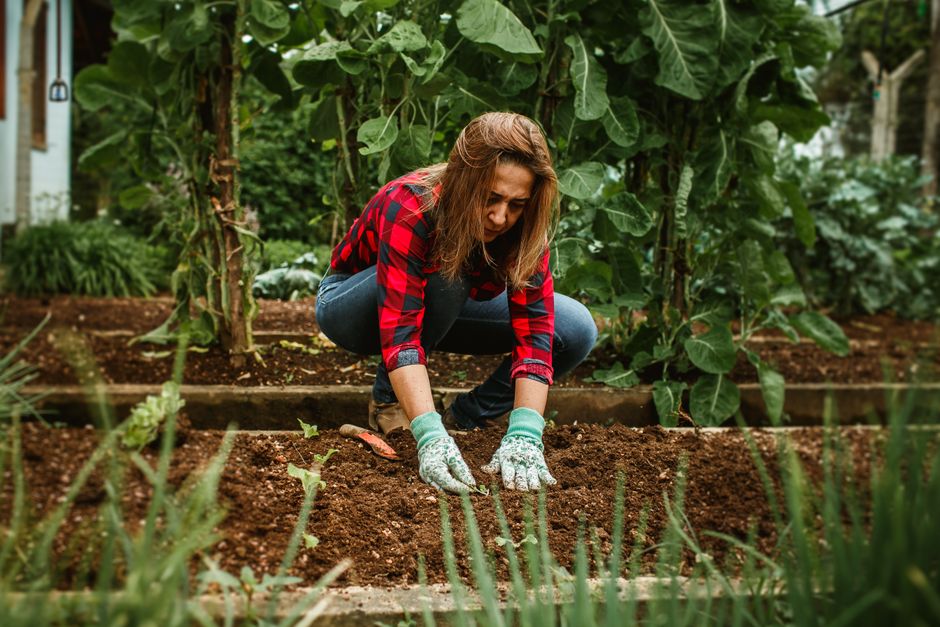
Nigeria's soil is diverse, ranging from sandy soils in the north to loamy and clay soils in the south. Testing your soil's pH and nutrient levels can help you determine the best amendments to enhance its fertility. Adding organic matter such as compost or well-rotted manure can significantly improve soil texture and nutrient content.
"A well-prepared soil is the foundation of a thriving vegetable garden. Ensure your soil is rich in organic matter and well-draining for optimal plant growth."
Selecting the Right Vegetables
Top Vegetables for Nigerian Gardens
Choosing the right vegetables is essential for a bountiful harvest. Some of the best vegetables to grow in Nigeria include tomatoes, peppers, okra, spinach, and onions. These crops are not only popular in Nigerian cuisine but also well-suited to the local climate and soil conditions.
- Tomatoes: Thrive in full sunlight and require well-drained soil.
- Peppers: Prefer warm temperatures and are highly versatile in dishes.
- Okra: Known for its resilience and ability to grow in nutrient-poor soils.
- Spinach: A leafy green that grows quickly and provides essential nutrients.
- Onions: Require loose, well-drained soil and plenty of sunlight.
Seasonal Planting Tips
Timing is everything when it comes to planting your vegetable garden. For instance, tomatoes and peppers should be planted at the onset of the rainy season to take advantage of the natural moisture. Conversely, crops like spinach can be grown all year round, provided they receive adequate water during the dry season.
Essential Gardening Techniques
Watering Strategies
Watering is a critical aspect of vegetable gardening, particularly during Nigeria's dry season. It's important to water deeply and infrequently to encourage deep root growth. Drip irrigation systems can be an effective way to conserve water while ensuring your plants receive adequate hydration.
Pest and Disease Management
Nigerian gardens are often plagued by pests such as aphids, caterpillars, and beetles. Implementing natural pest control methods, such as introducing beneficial insects or using neem oil, can help manage infestations without the need for harsh chemicals.
"Integrated pest management is key to maintaining a healthy garden. Focus on prevention and natural remedies to keep your crops thriving."
Maximizing Yield
Companion Planting
Companion planting involves growing different crops together to enhance growth and reduce pest problems. For example, planting basil alongside tomatoes can deter pests and improve flavor.
Crop Rotation
Rotating your crops each season helps prevent soil depletion and reduces the risk of disease. Avoid planting the same family of vegetables in the same spot consecutively to maintain soil health.
Conclusion
Embarking on a vegetable gardening journey in Nigeria is a fulfilling endeavor that not only enriches your diet but also connects you with nature. By understanding the unique climatic and soil conditions, selecting suitable vegetables, and employing effective gardening techniques, you can create a productive and sustainable garden. Remember, patience and persistence are your greatest allies in the garden. So grab your tools, embrace the Nigerian soil, and watch as your efforts bear fruit.