There's something incredibly fulfilling about growing your own vegetables. The process connects you to nature and provides access to fresh, organic produce right in your backyard. For those living in Nigeria, a land blessed with diverse climates and rich soils, cultivating a vegetable garden is not just possible—it's a rewarding endeavor. Whether you're in bustling Lagos or the serene landscapes of Jos, the Nigerian climate offers unique opportunities as well as challenges for vegetable gardening.
In this guide, we'll dive deep into the world of vegetable gardening right here in Nigeria. We'll cover everything from choosing the right spot and preparing your soil to selecting the best vegetables for your region. Whether you're a seasoned gardener or a curious beginner, these insights will help you create a flourishing garden teeming with fresh and healthy produce.
Understanding Nigeria's Climate and Soil
Nigeria's diverse climate is both a boon and a challenge for vegetable gardeners. Understanding the specific weather patterns and soil types in your area can significantly influence the success of your garden.
Climate Zones in Nigeria
Nigeria is divided into several climate zones: the arid north, the central savannas, and the humid tropical south. Each zone supports different types of vegetable crops.
- Arid North: Best for drought-resistant plants like okra and peppers.
- Central Savannas: Ideal for maize, sweet potato, and tomatoes.
- Tropical South: Perfect for yams, cassava, and leafy greens.
Soil Types and Preparation
The soil quality can vary greatly across Nigeria, from sandy soils in the north to rich loamy soils in the south. Testing your soil is crucial to understanding its pH and nutrient content.
Tip: Mixing organic compost into your soil can improve fertility and water retention, helping your plants thrive.
Choosing the Right Vegetables
Selecting vegetables that are well-suited to your local climate and soil type is key to a successful harvest.
Popular Nigerian Vegetables
Some vegetables are staples in Nigerian cuisine and grow particularly well in the local climate.
- Tomatoes: A versatile crop that thrives in warm, sunny conditions.
- Okra: Grows well in both wet and dry climates, ideal for many Nigerian dishes.
- Ugu (Pumpkin Leaves): Requires fertile soil and regular watering.
Exotic Options
If you're feeling adventurous, consider trying your hand at growing exotic vegetables that add variety to your garden and plate.
- Sweet Peppers: Require a warm climate and are perfect for adding a splash of color.
- Zucchini: A fast-growing plant that does well in the wet season.
Best Practices for Planting and Maintenance
Once you've selected your vegetables, focus on planting techniques and maintenance to ensure a bountiful harvest.
Planting Techniques
Spacing, depth, and timing are crucial for planting success. Most vegetables need full sun and should be planted when temperatures are mild.
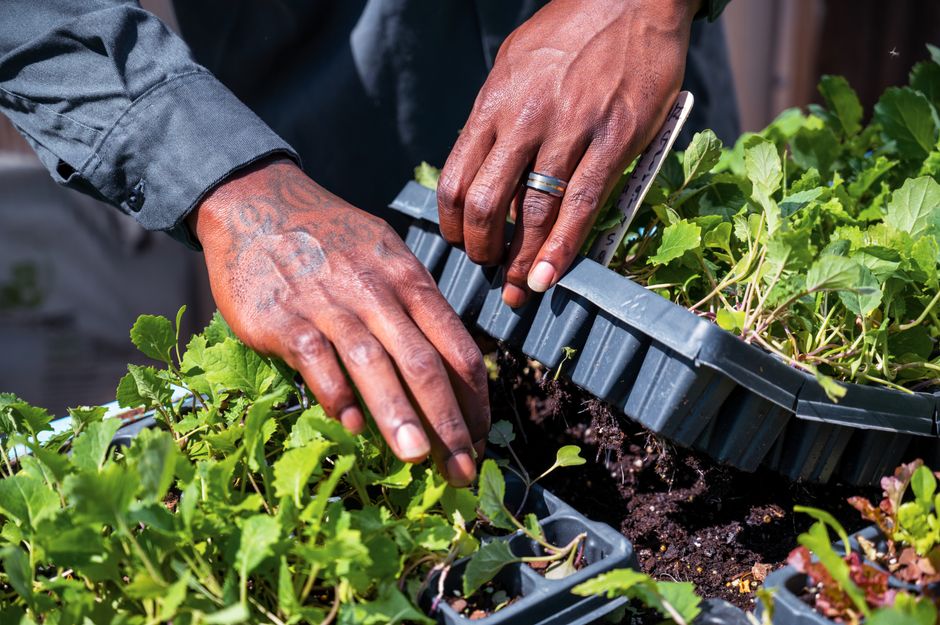
Tip: Use raised beds or containers if your garden soil is poor. This approach allows you to control the soil quality and drainage.
Watering and Fertilization
Watering needs vary greatly depending on your region and the specific vegetable. Consistent watering, especially during dry spells, is critical.
Organic fertilizers like cow dung or poultry manure can enrich your soil without the harmful effects of chemical fertilizers.
Dealing with Pests and Diseases
Pests and diseases are the bane of any gardener's existence, but with the right strategies, they can be managed effectively.
Common Pests in Nigeria
From caterpillars to aphids, pests can quickly destroy a garden. Natural remedies can be effective.
- Neem Oil: An organic insecticide that's safe for most plants.
- Garlic Spray: Acts as a natural deterrent for many insects.
Disease Prevention
Preventing disease starts with healthy soil and plants. Crop rotation and proper sanitation can mitigate many common plant diseases.
Final Thoughts
Gardening is a journey, one that involves patience, dedication, and a bit of experimentation. Embracing the unique conditions of Nigeria can lead to a thriving vegetable garden that not only nourishes your body but also your soul. Whether you have a sprawling garden space or just a few pots on a balcony, the principles of successful vegetable gardening remain the same. As you embark on this rewarding venture, may your garden flourish and your harvest be plentiful.