Gardening is a rewarding activity that not only beautifies your environment but also provides fresh produce for your kitchen. In Nigeria, where the climate ranges from humid to arid, mastering the art of vegetable gardening can be a bit tricky, but with the right strategies, your garden can flourish. Whether you're planting in your backyard or utilizing a small balcony space, understanding the nuances of Nigeria's climate is key to your success.
Starting a vegetable garden in Nigeria is both an adventure and a lesson in patience. The joy of harvesting your own home-grown tomatoes or leafy greens is unmatched. However, the diverse climates across the country, from the wet southern regions to the drier northern areas, mean that what works in one part may not work in another. By tailoring your approach to your specific climate, you can maximize your garden's yield and health.
In this guide, we'll explore the essentials of vegetable gardening in Nigeria, including choosing the right crops, understanding soil and water needs, dealing with pests, and much more. Let's get started on transforming your space into a thriving vegetable oasis!
Understanding Nigeria's Climate for Gardening
Climate Zones in Nigeria
Nigeria's climate varies significantly from the coastal areas to the northern regions. The country is primarily divided into three climatic zones: the tropical rain forest in the south, the savannah in the middle, and the Sahel in the north. Each zone has its own unique set of challenges and opportunities for gardening.
The tropical rain forest zone is characterized by heavy rainfall and high humidity, making it ideal for growing water-loving crops like okra and maize. On the other hand, the savannah zone, with its moderate rainfall, supports a wide variety of vegetables, including tomatoes and peppers.
The Sahel zone, bordering the Sahara Desert, presents the most challenging conditions for gardening, with limited water supply being a major concern. However, hardy crops such as millet and sorghum can thrive here with proper management.
Seasonal Planting Tips
Timing is everything in gardening, and this is especially true in Nigeria, where you must align your planting schedule with the rainy and dry seasons. For instance, planting during the early rainy season ensures your crops receive adequate water as they start to grow.
In the south, the rainy season typically begins in March and lasts until November, making it the prime time for planting. Meanwhile, in the northern regions, you may need to rely more on irrigation to extend your planting season.
Choosing the Right Vegetables
Top Vegetables to Grow in Nigeria
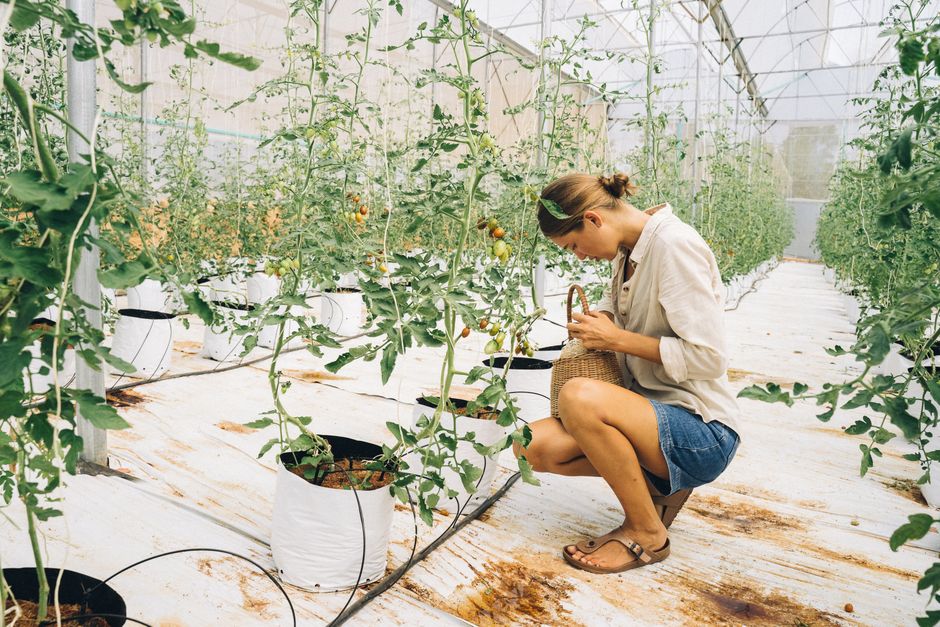
- Tomatoes: A staple in Nigerian cuisine, tomatoes thrive in the savannah and rainforest zones.
- Peppers: Both sweet and hot peppers are popular choices; they grow well in warmer climates.
- Okra: Known for its resilience, okra is a versatile crop that can handle varying conditions.
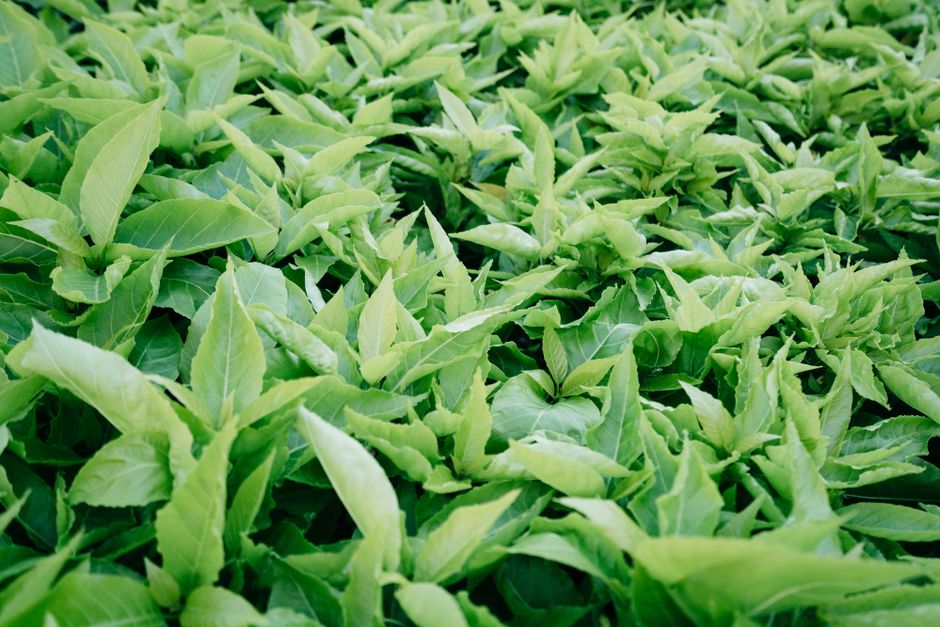
- Leafy Greens: Vegetables like spinach and fluted pumpkin are nutrient-rich and grow well in humid areas.
- Yams: Although not a typical vegetable, yams are a crucial part of many Nigerian gardens.
Choosing the right vegetables is crucial to ensure a successful harvest. It's important to consider the specific climate and soil conditions of your region when selecting crops.
Companion Planting Strategies
Companion planting involves growing different plants together to enhance growth, improve soil health, and deter pests. For example, planting basil near tomatoes can improve flavor and repel insects.
Strongly consider pairing compatible plants to maximize space and productivity. For instance, onions and carrots make great companions, as they help repel each other's pests.
Soil and Water Management
Improving Soil Quality
The foundation of any successful garden is healthy soil. In Nigeria, soil conditions can vary widely, but with the right amendments, you can create an optimal growing environment.
Consider adding organic matter such as compost or manure to improve soil fertility and structure. Testing your soil's pH can also help you determine the necessary adjustments for optimal growth.
"Healthy soil is the bedrock of a thriving garden. Regularly feed it with organic matter for the best results."
Efficient Watering Techniques
Water is a precious resource, and efficient watering is crucial, especially in dry regions. Drip irrigation systems are a great investment, allowing for precise water delivery to your plants' roots, minimizing waste.
Mulching is another effective technique to retain soil moisture and regulate temperature, crucial in helping your garden survive the hot dry spells common in Nigeria.
Managing Pests and Diseases
Common Pests in Nigerian Gardens
Pests can be a major challenge in vegetable gardening. Common nuisances include aphids, caterpillars, and snails, all of which can wreak havoc on your plants if not controlled.
Using organic pest control methods, such as neem oil or garlic sprays, can help keep your garden healthy without resorting to harsh chemicals.
Preventing and Treating Diseases
Diseases such as blight and root rot can devastate your garden if not addressed promptly. Practicing crop rotation and ensuring good air circulation can prevent many common diseases.
It's essential to remove any diseased plants immediately to prevent the spread to healthy ones. Fungicides can be helpful, but use them sparingly and as a last resort.
Final Thoughts
Creating a thriving vegetable garden in Nigeria is a rewarding endeavor that requires knowledge, patience, and dedication. By understanding the local climate, choosing the right crops, and implementing effective gardening techniques, you can enjoy the benefits of home-grown produce throughout the year.
Remember, each garden is unique, and what works for one may not work for another. Stay curious, experiment, and adapt to find the best practices for your garden's success. Happy gardening!