Starting a vegetable garden in Nigeria, especially in limited spaces like urban environments, can be a rewarding endeavor. Imagine stepping out to your balcony or backyard and picking fresh tomatoes or peppers for your next meal. With the right strategies and plants, you can turn even the smallest space into a productive garden. Whether you're a complete beginner or a seasoned gardener, this guide will walk you through the key steps to create your very own vegetable haven.
Vegetable gardening not only provides you with fresh produce but also offers an excellent way to relax and connect with nature. In urban areas like Lagos or Abuja, where space is often at a premium, container gardening offers a practical solution. By choosing the right containers, soil, and plants, you can grow a diverse range of vegetables even on a tiny balcony.
Embracing vegetable gardening is not just about sustainability and fresh produce; it's also about cultural continuity. In many Nigerian homes, traditional dishes rely on fresh ingredients, and there's nothing more authentic than harvesting these from your own garden. Let's dive into how you can make the most of the space you have for a flourishing vegetable garden.
Choosing the Right Vegetables for Your Garden
Consider the Climate
Nigeria's climate is divided into tropical and subtropical zones, which means that certain vegetables will thrive depending on whether you're in the rainy or dry season. Understanding your local climate is key to selecting the right plants.
- Tomatoes: Perfect for warm climates and can be grown throughout the year.
- Peppers: Thrive in the sunny, humid conditions typical of many Nigerian regions.
- Leafy Greens: Vegetables like spinach, ugu (fluted pumpkin), and ewedu (jute mallow) love the Nigerian sun but might need some shade during peak heat.
Space Considerations
When choosing vegetables, think about the available space. Some plants, like tomatoes, need more room to spread, while others, like spinach, can thrive in tighter spaces.
"Opt for vertical gardening techniques to maximize space efficiency. Using trellises and stakes can help manage sprawling plants like tomatoes and cucumbers."
Setting Up Your Vegetable Garden
Choosing the Right Containers
The choice of container can greatly influence the success of your garden. In Nigeria, where resources can vary, consider using locally available materials like clay pots, old buckets, or recycled plastic containers.
- Material: Ensure containers have good drainage to prevent waterlogging, which is common in tropical climates.
- Size: Larger containers are better for deep-rooted vegetables like carrots and tomatoes, while smaller ones can accommodate herbs and leafy greens.
Soil and Nutrients
The quality of your soil is crucial. Use a mixture of loamy soil, organic compost, and sand to create a fertile environment for your plants.
"Organic compost not only enriches the soil but also improves moisture retention, essential for container gardening in hot climates."
Maintaining Your Vegetable Garden
Watering and Feeding
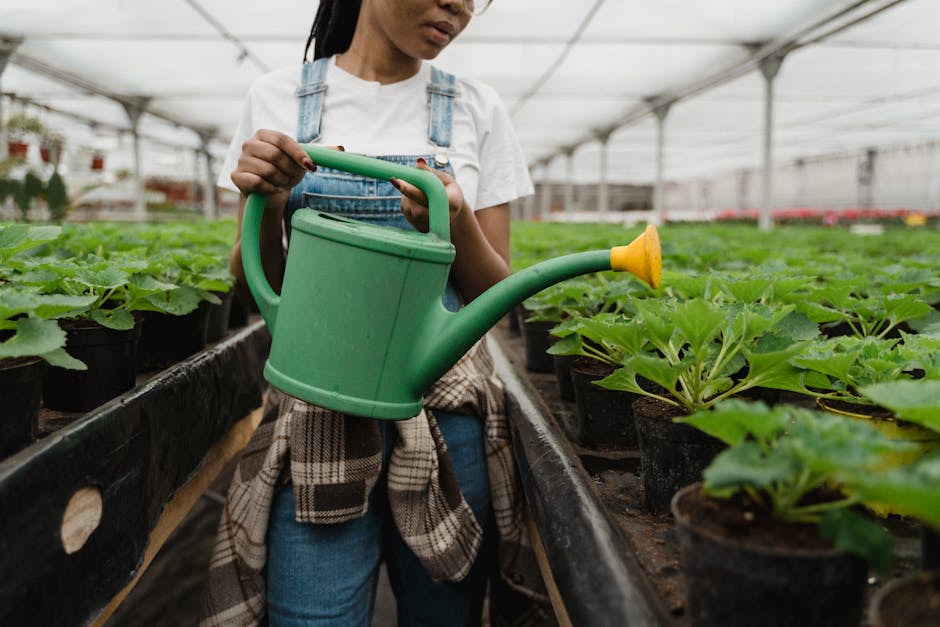
Consistent watering is essential, especially in the dry season. However, be careful not to overwater, as this can lead to root rot.
- Water early in the morning or late in the evening to minimize evaporation.
- Use organic fertilizers, like chicken manure or seaweed, to feed your plants every few weeks.
Pest and Disease Management
Common pests in Nigerian gardens include aphids and caterpillars. Use natural remedies or organic pesticides to keep them at bay.
"Neem oil is a natural pesticide that effectively controls a variety of pests without harming beneficial insects."
Harvesting and Enjoying Your Produce
Knowing When to Harvest
Timely harvesting is key to enjoying fresh vegetables. Most vegetables will have visual indicators; for instance, tomatoes should be plump and red, while leafy greens can be picked when the leaves reach a desirable size.
Preserving Your Harvest
If you've grown more than you can consume, consider preservation methods like drying, pickling, or freezing to extend the shelf life of your produce.
Conclusion
Starting a vegetable garden in Nigeria, even in limited spaces, is a deeply rewarding experience. With the right combination of plants, containers, and care, you can enjoy fresh, homegrown vegetables right at your doorstep. Not only does this practice promote sustainability, but it also reconnects us with the land and our culinary heritage. So, why not start today and cultivate your own piece of nature at home?