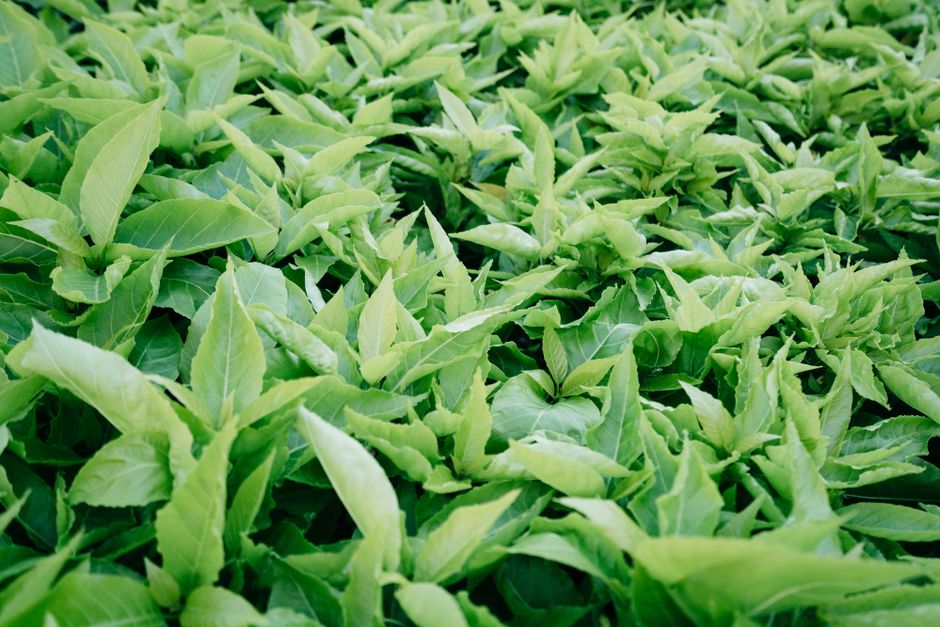
Imagine stepping into your backyard and plucking fresh, juicy tomatoes or vibrant leafy greens right off the plant. For many Nigerians, this is not just a dream but a growing reality, as more people are embracing the joy of vegetable gardening. Whether you have a sprawling yard or a modest balcony, creating a thriving vegetable garden is within your reach. With Nigeria's diverse climatic zones, from the humid tropics to the dry savannah, there's a wide range of vegetables that can flourish across the country.
In this guide, we'll explore the ins and outs of vegetable gardening in Nigerian homes. We'll delve into selecting the right plants, preparing the soil, managing pests, and ensuring your garden thrives through each season. Let's get our hands dirty and grow food right where we live!
Choosing the Right Vegetables for Your Garden
Consider Your Climate and Space
Nigeria's varied climate zones mean that different vegetables thrive in different regions. For example, leafy greens like spinach and ugu (fluted pumpkin) do well in the humid areas, while root vegetables such as carrots and potatoes can prosper in the cooler, drier regions.
- Humid Regions: Opt for vegetables like okra, pepper, and garden eggs that love warmth and moisture.
- Dry Regions: Consider drought-resistant crops like sweet potatoes and onions.
Maximizing Small Spaces
If space is a challenge, don't worry. Container gardening offers a solution for urban dwellers with limited yards. Use large pots, recycled buckets, or specially designed planters to grow vegetables on balconies or patios.
"With just a few containers, you can transform any small space into a lush vegetable haven."
Preparing Your Garden Bed
Soil Quality is Key
The foundation of a successful vegetable garden is healthy soil. Start by testing your soil's pH and nutrient levels. This will guide you in choosing the right fertilizers and soil amendments.
Ensure your soil is rich in organic matter. Incorporate compost or well-rotted manure to enhance soil fertility and structure.
Designing Your Garden Layout
Plan your layout based on sunlight exposure. Most vegetables require full sun for at least 6 hours daily. Use companion planting techniques to maximize space and minimize pests.
- Plant taller crops like maize or sorghum to provide shade for sun-sensitive plants.
- Group plants with similar watering needs to simplify irrigation.
Planting and Maintenance
Seeding and Transplanting
Start by choosing high-quality seeds or seedlings from a reputable source. For beginners, consider buying seedlings as they are easier to establish.
Follow the planting instructions for each vegetable, ensuring correct spacing to allow for growth and air circulation.
Watering and Feeding
Water your garden early in the morning or late in the afternoon to minimize evaporation. Mulching can help retain moisture and regulate soil temperature.
"Remember, over-watering is as detrimental as under-watering. Monitor your plants and adjust accordingly."
Feed your plants with organic fertilizers tailored to their specific needs. This promotes robust growth and enhances flavor.
Dealing with Pests and Diseases
Natural Pest Control Methods
Integrate pest-repellent plants like marigolds or garlic to deter common pests. Encourage beneficial insects such as ladybugs and bees to maintain ecological balance.
Identifying and Treating Common Diseases
Regularly inspect your plants for signs of disease. Early detection is crucial for effective management.
- Fungal Diseases: Use fungicides sparingly and opt for organic solutions when possible.
- Viral Infections: Remove infected plants immediately to prevent spread.
Harvesting and Enjoying Your Produce
Knowing When to Harvest
Each vegetable has its optimal harvest time. Picking at the right moment ensures peak flavor and nutritional value.
Keep a gardening journal to track planting dates and expected harvest periods for each crop.
Storing Your Harvest
Preserve your surplus harvest by drying, freezing, or canning. This helps reduce waste and provides access to homegrown produce year-round.
Final Thoughts
Creating a vegetable garden in your Nigerian home is not just a rewarding pursuit but also a practical step towards food security and sustainability. By understanding your local climate, selecting the right crops, and applying sustainable gardening practices, you can enjoy fresh, nutritious produce right from your backyard. Whether you're a novice or seasoned gardener, there's always room to grow, experiment, and nurture your green thumb. Happy gardening!