In Nigeria, where urban living often means limited outdoor space, the art of container gardening offers an exciting opportunity to bring nature into our homes. Whether you live in a bustling city like Lagos or the serene countryside of Enugu, container gardening allows you to grow your own plants, vegetables, and herbs, regardless of space constraints. From repurposing old containers to selecting the right soil, this guide will walk you through the essentials of creating your own container garden oasis.
Container gardening is not just about growing plants; it’s about cultivating a lifestyle that embraces sustainability and creativity. Imagine harvesting fresh tomatoes from your balcony or enjoying the fragrance of herbs as you cook. The possibilities are endless!
Choosing the Right Containers
Selecting the right container is the first step to successful container gardening. The choices are vast, ranging from traditional clay pots to recycled materials that add a unique touch to your garden.
Consider the Size and Material
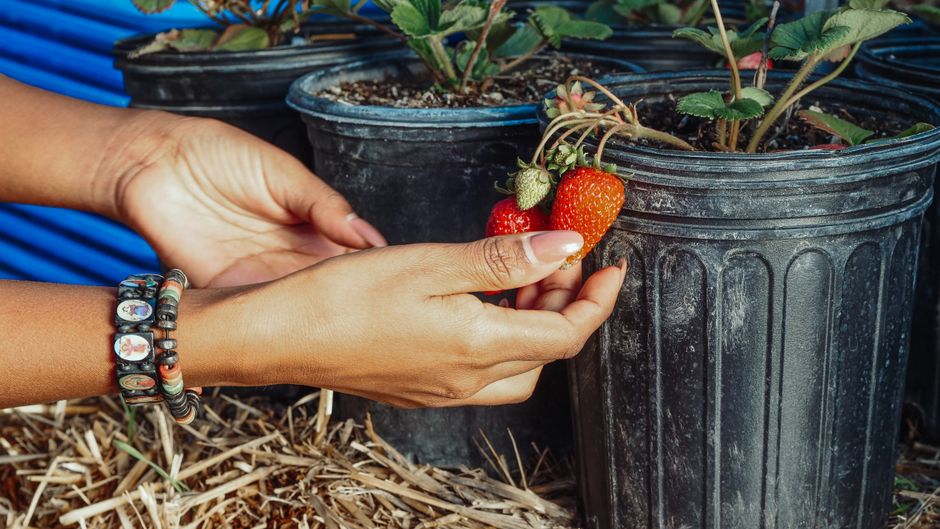
The size of your container should match the plant's growth needs. Larger plants like tomatoes require bigger pots, while herbs can thrive in smaller containers. Materials like clay, plastic, and ceramic have different properties that affect plant growth.
- Clay Pots: They offer excellent drainage but may require more frequent watering.
- Plastic Containers: Lightweight and affordable, they retain moisture better than clay.
- Metal and Ceramic: Stylish options that provide stability, but can heat up quickly in the sun.
Repurposing and Upcycling
Get creative by using old buckets, bathtubs, or even shoes as containers. This not only saves money but also adds a personal touch to your garden.
"Repurposing old items for your garden is both eco-friendly and cost-effective."
Soil and Nutrients
The foundation of any thriving garden is healthy soil. In container gardening, choosing the right soil mix is crucial for plant health.
Understanding Soil Composition
Container plants need well-draining soil. A mix of potting soil, compost, and perlite provides the ideal environment for root growth.
Fertilization Practices
Regular fertilization ensures that your plants get the necessary nutrients. Use slow-release fertilizers or liquid feeds for optimal results.
- Organic Fertilizers: Compost tea and fish emulsion are excellent organic options.
- Synthetic Fertilizers: Ensure you follow the manufacturer's instructions to avoid over-fertilization.
Watering Techniques
Water management is key to container gardening success. Over-watering or under-watering can harm plants.
Establish a Watering Schedule
Set a consistent watering routine based on the plant's needs and the climate. Morning watering helps reduce evaporation.
- Check Soil Moisture: Stick your finger an inch into the soil; if it's dry, it's time to water.
- Self-watering Systems: Consider installing drip irrigation or using self-watering pots for convenience.
Choosing Plants for Container Gardening
From vegetables to flowers, the plant selection is critical to a successful container garden. Certain plants are better suited to the confines of a pot.
Vegetables and Herbs
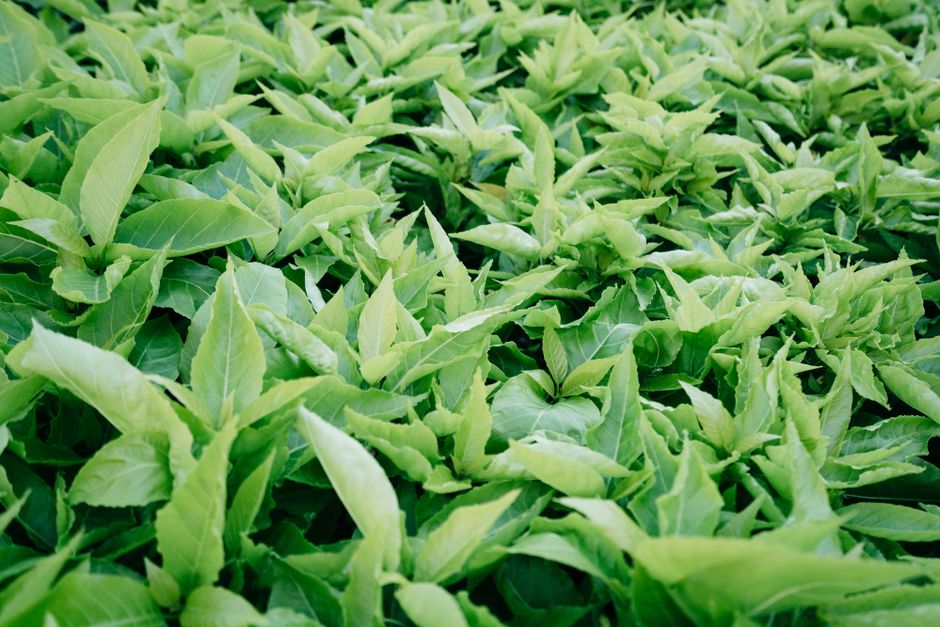
Leafy greens, tomatoes, and peppers thrive in containers, providing fresh produce right at your doorstep. Herbs like basil, mint, and cilantro are also perfect choices.
Flowers and Ornamentals
Brighten your space with marigolds, petunias, or succulents. These plants add color and life to any container garden.
"Choosing the right plants for your containers ensures a lush, vibrant garden all year round."
Final Thoughts
Container gardening is an accessible and rewarding way to embrace gardening, regardless of space limitations. By selecting the right containers, soil, and plants, you can create a thriving garden that beautifies your home and nourishes your soul. Remember, the key to success is experimentation and patience. So, gather your containers, get your hands dirty, and start cultivating your own green paradise today!