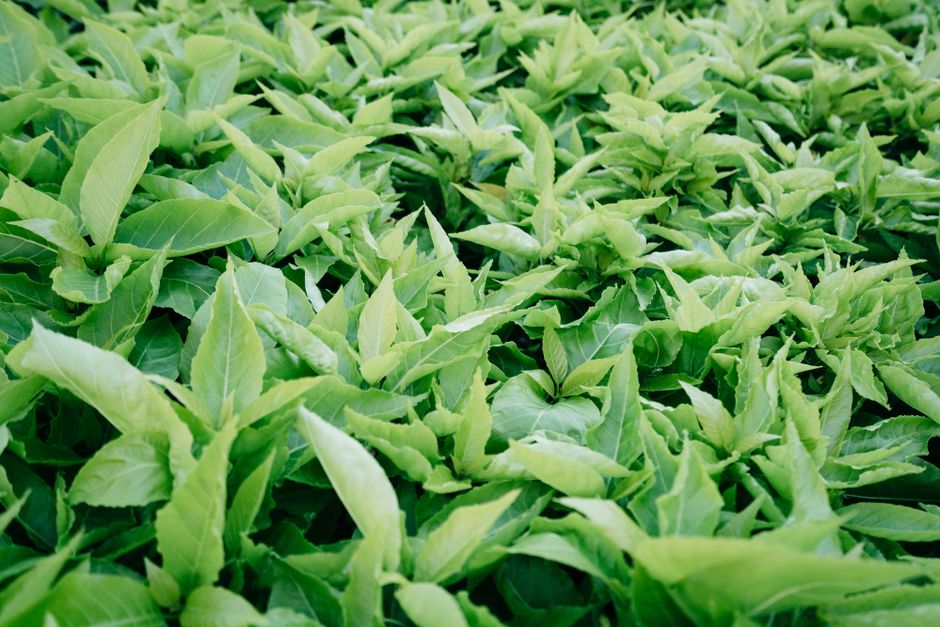
Welcome to the exciting world of vegetable gardening! If you've ever dreamed of picking fresh tomatoes or pulling up crisp carrots from your own backyard, you're not alone. Gardening in Nigeria offers a unique blend of challenges and rewards, and there's never been a better time to start your own vegetable garden. Whether you're a seasoned gardener or a complete novice, this guide will equip you with the knowledge and confidence to cultivate a thriving vegetable garden right at home.
Growing your own vegetables comes with numerous benefits. Not only do you get to enjoy fresh produce, but you also have the satisfaction of knowing exactly how your food is grown. In Nigeria, where the climate can be both a blessing and a challenge, understanding the specifics of local gardening is crucial. Let's dive into how you can make the most of your Nigerian garden space and yield a harvest that would make any farmer proud.
Understanding the Nigerian Climate
The climate across Nigeria is diverse, ranging from arid and semi-arid regions in the north to tropical rainforests in the south. This variability means that some regions are more conducive to certain types of vegetable gardening than others.
The Best Time to Plant
In general, the best time to start planting is during the beginning of the rainy season. This period provides the necessary hydration for seedlings to establish themselves. In southern Nigeria, this typically runs from March to July, while in the north, it’s from May to September.
- South: March to July
- North: May to September
Choosing the Right Vegetables
Climate considerations are crucial when choosing what to plant. Some vegetables thrive better in certain weather conditions.
For example, vegetables like tomatoes, peppers, and garden eggs (African eggplants) are well-suited for the warm Nigerian climate. Leafy greens such as spinach and kale can also do well if given partial shade.
"Tomatoes and peppers are among the easiest vegetables to grow in Nigeria, especially for beginners."
Preparing Your Garden Space
Once you've chosen your vegetables, it's time to prepare your garden. This involves selecting the right location, enhancing the soil, and setting up your garden layout.
Selecting the Location
A sunny spot is essential for most vegetables. Aim for a location that receives at least 6-8 hours of direct sunlight daily. Proper sunlight is critical for photosynthesis, which directly affects growth and yield.
Enhancing the Soil
Nigerian soil can vary, but for a productive vegetable garden, you'll want to enhance it with organic matter. Adding compost or well-rotted manure improves soil structure and fertility.
- Test your soil for pH and nutrient levels
- Use organic compost to enrich the soil
- Consider raised beds for better drainage and soil management
Planting and Care
With your site ready, planting can begin. Be sure to follow specific planting instructions for each type of vegetable.
Sowing Seeds
Direct sowing is an option for many vegetables, though starting seeds in trays and transplanting them can provide a head start, especially in regions with shorter growing seasons.
Watering and Mulching
Consistent watering is critical, especially during the dry spells between rains. Mulching helps retain moisture and suppress weeds, making it a worthwhile investment in your garden’s success.
"A simple drip irrigation system can save time and water, ensuring your plants thrive even in the driest months."
Pest Management
Pests are a common challenge in Nigerian gardens, but with proactive management, they can be controlled.
Identifying Common Pests
Common garden pests include aphids, caterpillars, and beetles. Regular inspections and prompt action are essential for keeping these critters in check.
Natural Pest Control
Encourage beneficial insects like ladybugs, and consider natural remedies such as neem oil or garlic spray to deter pests without harming your crops or the environment.
Harvesting and Enjoying Your Bounty
The fruits of your labor are ready for harvest when they have reached the desired size and color.
Indicators for Harvest
Each vegetable has its own indicators for harvest readiness. For instance, tomatoes should be firm and fully colored, while leafy greens should be cut when they reach the size you prefer.
Once harvested, you can enjoy them fresh or preserve them through canning or drying, ensuring nothing goes to waste.
Conclusion
Starting a vegetable garden in Nigeria is an enriching endeavor that provides both physical and mental rewards. By understanding your local climate, preparing your garden properly, and caring for your plants, you can enjoy a bountiful harvest. Not only will you save money, but you'll also have a sustainable source of nutrition right at your doorstep. So, grab your tools, and let's make your garden dream a reality!