Container gardening is more than just a trend; it's a practical solution for urban dwellers and gardening enthusiasts with limited space. Imagine transforming your balcony, patio, or even your windowsill into a lush, green oasis. In Nigeria, where urbanization is rapidly increasing, container gardening offers a perfect way to bring nature closer to your home. Whether you're a seasoned gardener or just starting out, this guide will show you how to make the most of your small spaces with vibrant plants.
With the right containers, soil, and plants, you can create a stunning garden that not only beautifies your home but also provides fresh produce and herbs for your kitchen. From selecting the right plants to understanding the importance of soil, let's dive into the world of container gardening and discover how you can create a thriving garden in the comfort of your home.
Choosing the Right Containers
The first step in container gardening is selecting the right containers. The containers you choose will affect the growth and health of your plants, so it's crucial to pick wisely.
Types of Containers
- Clay Pots: These are classic choices that provide excellent drainage and are perfect for plants that prefer drier soil.
- Plastic Pots: Lightweight and affordable, these pots retain moisture better, making them ideal for thirsty plants.
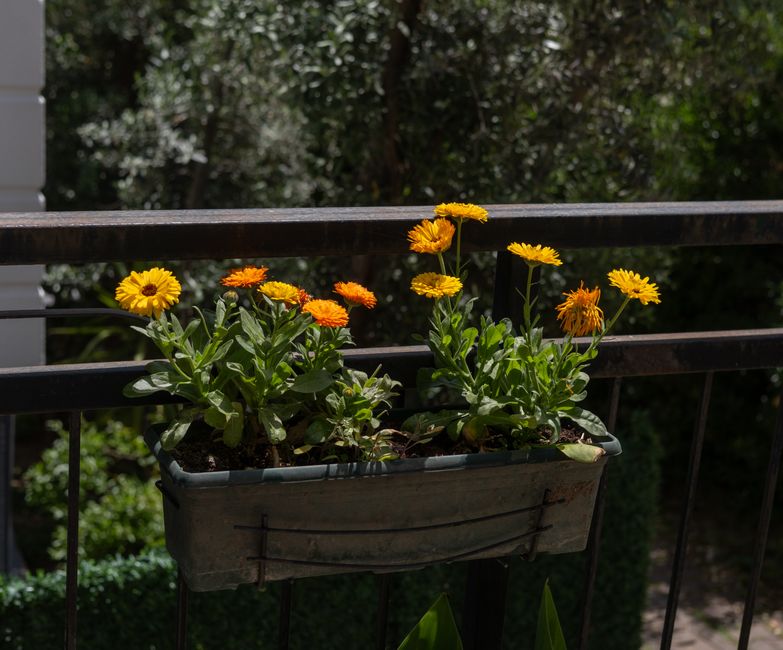
- Metal Containers: Stylish and modern, but can heat up quickly, which may affect plant roots in hot climates.
Size Matters
The size of your container will determine the type of plants you can grow. Larger containers can accommodate more plants and allow roots to spread, while smaller ones are perfect for herbs and small flowers.
Ensure that each container has adequate drainage holes to prevent waterlogging, which can harm plant roots.
Understanding Soil and Fertilizers
The success of your container garden greatly depends on the soil you use. Since plants in containers have limited access to nutrients, choosing the right soil is vital.
Types of Soil
Use a good quality potting mix, which is lighter than garden soil and better suited for container gardening. These mixes often contain peat moss, vermiculite, or perlite to enhance aeration and drainage.
Adding Nutrients
Regular fertilization is necessary for container plants. Use a balanced, slow-release fertilizer or organic options like compost or fish emulsion to keep your plants healthy and productive.
Expert Tip: "Rotate your container plants every few weeks to ensure even growth and sunlight exposure." - Gardening Expert, Akin Olayemi
Selecting the Best Plants for Containers
The choice of plants for your container garden will depend on your preferences, space, and the climate. Here are some suggestions to get you started:
Herbs and Vegetables
- Basil: Easy to grow and perfect for adding flavor to your dishes.
- Tomatoes: Choose compact varieties like 'Patio Princess' for containers.
- Spinach: Grows well in small spaces and provides a nutrient-rich addition to meals.
Ornamental Plants
- Petunias: Bright and cheerful, these flowers thrive in sunny spots.
- Ferns: Ideal for shaded areas, adding lush greenery to your space.
- Succulents: Low-maintenance and perfect for hot, dry environments.
Watering and Maintenance
Consistent watering and maintenance are key to ensuring that your container garden thrives.
Watering Tips
Container plants generally require more frequent watering than garden plants. Check the soil moisture regularly and water when the top inch feels dry. During Nigeria's dry season, you may need to water daily.
Pruning and Care
Regularly prune dead leaves and spent flowers to encourage new growth. Keep an eye out for pests and diseases, and treat them promptly with natural remedies or appropriate pesticides.
Creating a Beautiful Container Garden Design
Beyond functionality, your container garden can be an aesthetic masterpiece. Designing your garden involves choosing plants, colors, and arrangements that reflect your personal style.
Color Themes
Consider a monochromatic theme for a sleek look or mix vibrant colors for a lively appearance. Complementary colors, such as purple and yellow, make a striking combination.
Arranging Your Containers
- Group plants with similar care needs together for easier maintenance.
- Use containers of varying heights to add depth and interest.
- Incorporate hanging baskets and vertical planters to maximize space.
"A well-arranged container garden can transform even the smallest space into a peaceful retreat." - Landscape Designer, Chidinma Okafor
Conclusion
Container gardening offers a versatile and rewarding way to engage with nature, especially in urban environments. By selecting the right containers, soil, and plants, and maintaining them with care, you can enjoy a flourishing garden that enhances your home and provides fresh produce. Whether you're looking to start small with herbs or create a beautiful floral display, there's a container garden suited for every space and style. So gather your supplies, get creative, and let your garden dreams take root right at home.