When you step into a well-designed tropical garden, it's like stepping into a slice of paradise. The lush greenery, vibrant flowers, and soothing ambiance can transport you to a serene oasis far away from the hustle and bustle of everyday life. In Nigeria, where the climate is perfectly suited for tropical plants, creating such a garden is not only feasible but can be incredibly rewarding. Whether you have a sprawling backyard or a compact urban space, a tropical garden can transform your outdoor area into a thriving, exotic retreat.
The beauty of a tropical garden lies in its ability to blend a variety of plants, colors, and textures into a harmonious whole. From towering palms to delicate orchids, there is a wide array of plants that can thrive in Nigeria's warm climate, making it easy to adapt a tropical garden design to your personal tastes and the specifics of your space. In this guide, we'll explore how you can design a tropical garden that not only looks stunning but also suits the Nigerian environment perfectly.
Understanding Tropical Garden Basics
Characteristics of a Tropical Garden
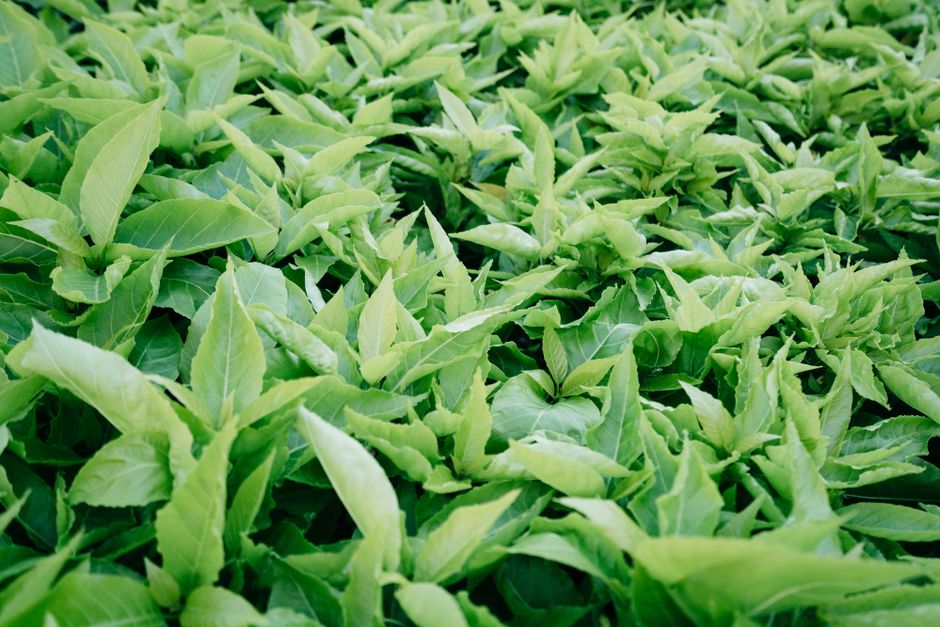
A tropical garden is characterized by its lush, dense plantings, bold foliage, and vibrant colors. These gardens often use a diverse mix of plants to create visual interest and mimic the natural beauty of a rainforest. Key elements include large-leaved plants, brightly colored flowers, and cascading vines.
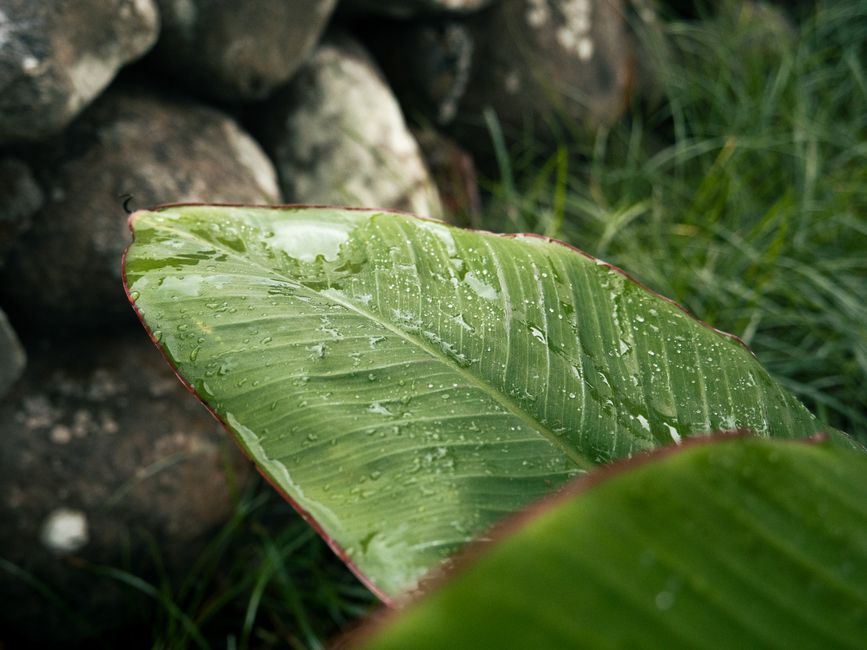
- Lush Foliage: Tropical gardens thrive on dense greenery. Look for plants with large, dramatic leaves like banana plants or elephant ears.
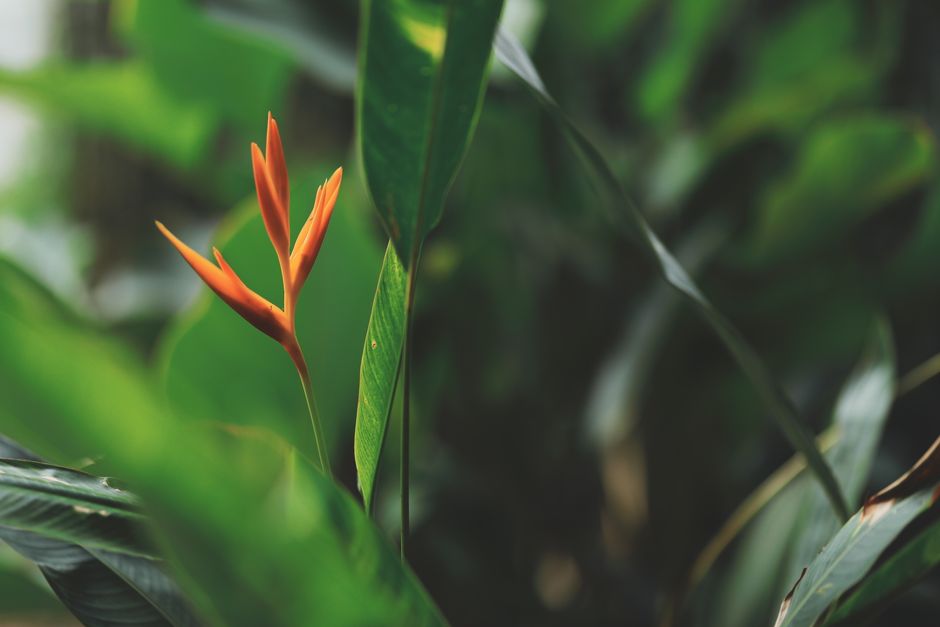
- Vibrant Colors: Incorporate flowers that bloom in bright, eye-catching colors such as hibiscus, birds of paradise, or bougainvillea.
- Layering: Use different plant heights to create depth and interest, with taller trees and palms forming a canopy and groundcovers filling in the lower layers.
Selecting the Right Plants
Choosing the right plants is crucial for a successful tropical garden. Consider both the climatic conditions and the amount of maintenance you are willing to commit to. Here are some top picks for a Nigerian tropical garden:
- Palm Trees: Varieties like the Coconut Palm or Date Palm can provide height and a tropical feel.
- Orchids: These are perfect for adding exotic flair with minimal ground space consumption.
- Heliconias: Known for their striking flowers, these can add a burst of color.
Designing Your Tropical Garden
Planning the Layout
Before planting, it’s essential to plan your garden’s layout. Consider the space, sunlight, and moisture requirements of each plant. Group plants with similar needs together to ensure they thrive.
- Assess Your Space: Measure your garden area and consider existing structures like walls or fences that can influence plant placement.
- Map Sunlight Patterns: Track where sunlight falls throughout the day to place sun-loving plants in appropriate spots.
- Create Pathways: Incorporate winding paths to guide visitors through the garden, enhancing the sense of adventure and discovery.
Incorporating Water Features
Water features are a staple in tropical gardens, adding to the tranquility and natural beauty. Consider options like a koi pond, waterfall, or simple fountains.
Pro tip: A small water feature can be a great way to attract wildlife, like birds and butterflies, enhancing the garden’s ecosystem.
Choose a water feature that complements the scale of your garden. For smaller spaces, a wall fountain or birdbath might be ideal, while larger gardens can accommodate expansive ponds or streams.
Maintaining Your Tropical Paradise
Regular Care and Maintenance
While tropical gardens are generally low-maintenance once established, they do require regular care to keep them looking their best. Key tasks include:
- Pruning: Remove dead or diseased leaves to encourage healthy growth and maintain a tidy appearance.
- Watering: Consistent watering is crucial, especially during dry seasons. Consider installing a drip irrigation system for efficiency.
- Fertilizing: Use a balanced fertilizer to give your plants the nutrients they need to flourish.
Pest Management
In a tropical environment, pests can be a concern. Regular monitoring and using organic pest control methods can keep your garden healthy. Natural remedies like neem oil or soap sprays can be effective against common pests without harming beneficial insects.
Conclusion
Creating a tropical garden in Nigeria is an exciting and rewarding project that can provide you with a personal paradise right at home. By understanding the key elements of tropical design, selecting the right plants, and maintaining them properly, you can enjoy a lush, vibrant outdoor space year-round. Whether you're a seasoned gardener or a beginner, a tropical garden offers endless possibilities for creativity and enjoyment. So, roll up your sleeves, embrace the warm climate, and start transforming your outdoor space into a tropical haven.