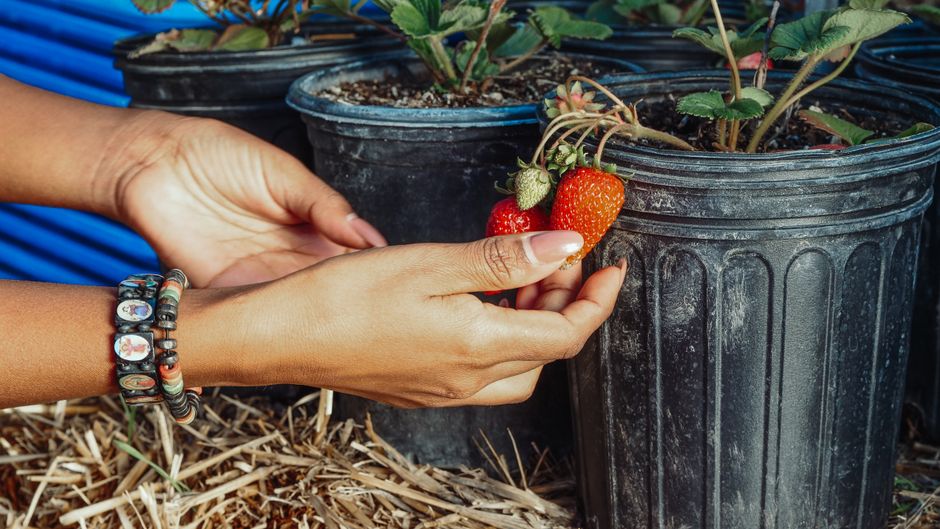
Gardening is a journey, one that is filled with learning experiences, trial and error, and occasional triumphs. When I first decided to start my vegetable garden in Nigeria, I was filled with excitement and optimism. I envisioned a lush garden teeming with fresh produce ready to be plucked and enjoyed. However, reality soon set in, bringing with it lessons that have reshaped my approach. Looking back, there are several things I would do differently if I could start over again.
The first mistake I made was neglecting to consider the local climate and soil conditions. Nigeria's diverse climate zones offer both opportunities and challenges for gardening, and understanding these nuances is critical.
Understanding Local Climate and Soil
Each region in Nigeria has its own unique climate, which directly impacts the success of different vegetables. This is something I wish I had focused on more during my initial planning.
Climate Zones and Planting Seasons
Nigeria's climate ranges from the arid north to the humid south. These variations mean that the planting season and types of vegetables suitable for one area might not work in another. I initially planted crops that weren't suited for the long dry spells I experienced in the north.
- Lesson Learned: Choose crops that are adapted to your specific climate zone and plan your planting season accordingly.
- Recommendation: For northern Nigeria, consider drought-resistant crops like okra and millet, while the south is ideal for water-loving vegetables such as cucumbers and tomatoes.
Soil Testing and Preparation
Ignoring the soil quality was another significant oversight. Healthy soil is the foundation of a thriving garden, and each area has distinct soil characteristics that need to be addressed.
"The secret to a successful garden lies beneath your feet. Good soil makes all the difference."
Initially, I planted without testing the soil, leading to poor growth and low yields. Now, I understand the importance of soil testing to determine nutrient needs.
- Action Step: Invest in a basic soil test kit to understand your soil's pH and nutrient levels.
- Amendments: Based on the results, add compost and other organic matter to improve soil fertility.
Choosing the Right Crops
Another area I overlooked was the selection of crops. I was too eager to plant exotic vegetables without considering their compatibility with local conditions.
Focus on Native and Adapted Varieties
In my first season, I planted a variety of exotic and foreign vegetables that required specific conditions to thrive, which I couldn’t provide. This led to a lot of wasted effort and resources.
- Better Choice: Stick to varieties that are known to do well in your local area.
- Examples: Indigenous vegetables like ugu (fluted pumpkin) and ewedu (jute) are not only resilient but also highly nutritious.
Companion Planting
Initially, I planted my vegetables in isolation, missing out on the benefits of companion planting, which can enhance growth and repel pests.
"Companion planting is nature’s way of balancing the garden."
Pairing certain plants together can lead to mutual benefits, such as pest control and improved yields.
- Example: Plant tomatoes with basil to deter pests and enhance flavor.
- Tip: Conduct research to find the best plant companions suited for your garden.
Water Management
Watering was another challenge. I underestimated the importance of an efficient watering system tailored to the local environment.
Efficient Irrigation Systems
In the beginning, I relied solely on rainfall and sporadic manual watering. This resulted in uneven growth and some plants suffering from drought stress.
- Solution: Implement a drip irrigation system to provide consistent moisture directly to the plant roots.
- Benefit: This approach conserves water and reduces weed growth.
Rainwater Harvesting
Given the unpredictable rainfall patterns, I now understand the value of harvesting rainwater to ensure a reliable water supply.
"Harvesting rainwater is a sustainable practice that every gardener should consider."
- Practical Tip: Set up rain barrels to collect water during the rainy season for use during drier periods.
- Environmentally Friendly: Reduces dependency on municipal water supplies and supports sustainability.
Pest and Disease Control
Dealing with pests and diseases was another hurdle. Initially, I underestimated their impact and didn't plan accordingly.
Natural Pest Control Methods
Chemical pesticides seemed like an easy fix at first, but I quickly learned about their harmful effects on beneficial insects and the environment.
- Alternative: Use natural pest control methods such as neem oil and introducing beneficial insects.
- Integrative Approach: Regularly rotate crops to prevent the build-up of pests and diseases.
Consistent Monitoring
Regular monitoring was something I didn’t prioritize initially. Early detection of pests and diseases can save a lot of trouble.
"Vigilance is key. Regular checks help in catching issues before they escalate."
- Routine Check-ups: Inspect plants weekly for any signs of infestation or disease.
- Record Keeping: Maintain a garden journal to track plant health and pest activity.
Final Thoughts
Gardening is as much about the journey as it is about the harvest. Reflecting on my experience, I realize that every mistake was a stepping stone to becoming a more informed and effective gardener. By understanding local conditions, choosing the right crops, and implementing sustainable practices, a bountiful vegetable garden in Nigeria is attainable. Remember, it’s never too late to learn and adapt. I hope that by sharing these insights, you can avoid some of the pitfalls I encountered and enjoy the fruits of your labor.