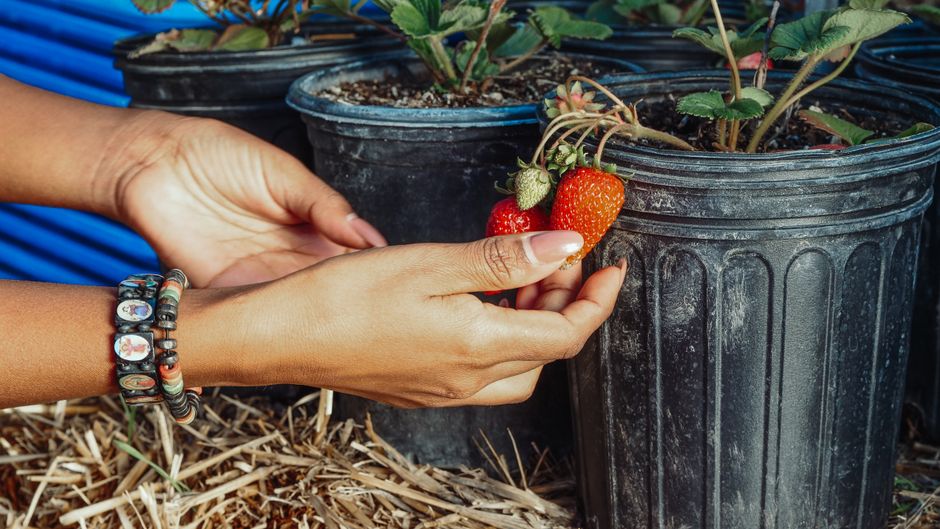
There's a unique satisfaction in watching your home garden flourish. From planting seeds to harvesting fruits and vegetables, the journey is rewarding. But what happens when your tomatoes refuse to ripen, leaving you with a bounty of green instead of a vibrant red? This issue is more common than you might think, especially in the varied climates of Nigeria. Let's dive into why your tomatoes might be dragging their feet and how you can nudge them along.
Understanding the Tomato Ripening Process
Before jumping into solutions, it's crucial to understand how tomatoes ripen. The ripening process is primarily influenced by the hormone ethylene. When tomatoes reach maturity, they begin producing ethylene internally, which signals the fruit to ripen. However, external factors such as temperature, light, and nutrient levels also play vital roles.
Temperature and Its Effects
Tomatoes love warm weather, but not too warm. Ideally, they ripen best between 70°F and 85°F (21°C to 29°C). Too hot or too cold, and the ripening process slows or halts altogether. In Nigeria, where temperatures can soar, this can be a frequent issue.
Light Exposure: Balancing Shade and Sun
While tomatoes need sunlight, too much can cause problems. Excessive direct sunlight can lead to sunscald, a condition that damages the fruit. Ensure your plants receive filtered light or are shaded during peak heat hours.
Common Mistakes That Hinder Ripening
Over-Fertilization Concerns
It's easy to get carried away with feeding your plants, but too much nitrogen can delay ripening. Nitrogen promotes leafy growth over fruit development. Balance is key.
Incorrect Watering Practices
Inconsistent watering stresses the plant, affecting its ability to ripen fruit. Aim for even moisture throughout the growing season.
Planting Time and Location
Planting too early or in a location that doesn't receive enough early summer sun can lead to slow ripening. Adjust planting times according to your local climate and sun patterns.
Practical Solutions to Trigger Ripening
Using Ethylene to Your Advantage
Place unripe tomatoes in a paper bag with an apple or banana. These fruits emit ethylene, which can help jumpstart the ripening process.
Adjusting Environmental Conditions
- Move potted plants to a more suitable location if possible.
- Install shade cloths to protect from extreme sun exposure.
Nutritional Adjustments
Switch to a low-nitrogen fertilizer once fruiting begins to encourage ripening. Look for formulations labeled as 'bloom' or 'fruit' enhancers.
Expert Tips for Nigerian Gardeners
"In tropical climates, timing and variety selection are crucial. Consider heat-tolerant varieties like 'Tropic' or 'Roma', which perform well in Nigeria's unique climate." – Jide Okafor, Local Agricultural Specialist
Seasonal Considerations
In Nigeria, the dry and wet seasons can dramatically impact your garden. Consider mulching to retain soil moisture during dry spells and improve drainage during heavy rains.
Community Knowledge Sharing
Join local gardening groups or forums to exchange tips and experiences. Often, the best advice comes from those who've faced similar challenges in similar climates.
Conclusion
Tomato ripening issues can be frustrating, but with the right knowledge and adjustments, you can enjoy a bountiful and colorful harvest. Remember that each garden is unique, so what works for one may need tweaking for another. Experiment, observe, and most importantly, enjoy the journey of home gardening.